Showing posts with label content. Show all posts

Tuesday, May 17, 2016

Tuesday Tip: Ideal Content Lengths for Social Media

Blogs

To write effective blog posts, choose content ideas that reflect the needs of your consumers. Direct the content as you want, using how tos, high quality journalistic style, personal storytelling, lists, product reviews, curated content, etc. Try to keep your blogs evergreen, meaning they will continue to be relevant in the future. Be sure to have an interesting title, headings, calls to action, links to your offer, and images.

Blog post lengths:

  • Short 500-800 words
  • Medium 800-1500
  • Long 1500+

The ideal blog post length is 1500 words, with 50 character titles.

Facebook

Facebook posts should be short, only 1 or 2 sentences, but jam packed with valuable, engaging content. Offer current information, a newly released product, or pose a question. Include an image and a link.

Ideal length for a Facebook post is 1 or 2 sentences.

Twitter

To write killer tweets, you have to think short and sweet. To master pith, draft your message and then edit your word choices carefully. Take advantage of verbs, sensory descriptions with adjectives, and avoid filler words, like "very". Right before you are ready to click Tweet, edit one last time.

Twitter limits posts to 140 characters, but the ideal length is between 75-100 characters.

Instagram

The key to Instagram is clearly visual.  Instagram requires an image, and that is the showcase of your post. The caption that accompanies your visual image should also be productive. Keep your caption short, use two hash tags at the most, and your call to action can't be an active link. Storytelling can supplement your image in the caption. It's also OK to go caption free and let that showcase visual tell the whole story.

While images are the most important, captions of 100 characters or less are ideal.

YouTube

Video content is currently king. But, that video should be highly valuable and short. 3 minutes is an ideal length, because videos should be engaging and snackable. Video is great for tutorials, how tos, behind the scenes, informative explanations, product demonstrations, sharing expertise, narratives or live events. Combine video/visuals, text and your active or voice over audio, plus background music to add mood. The challenge with video is quality-high definition, great lighting, clear audio, and professional looking scenery.

Ideal video length: 3 minutes

Pinterest

For perfect pins, combine an attractive image with readable text. Text should be large enough don't, and high enough contrast to be legible while scrolling through a Pinterest feed. Your caption should be descriptive, with additional details about the pin, and a call to action plus link to more information. How tos, info graphics, categorical interests, and mini "ads" (think food photos with a call to action to click a link for the recipe) are all really successful on Pinterest. Pretty, inspirational photographs also garner a lot of Pin It attention, especially when someone is trying to curate ideas on a board.

Ideal Pinterest caption length is 200 characters


Sunday, May 15, 2016

I Can't Find You! Content Creation and SEO

Your content is incredible. Your blog posts are informative, valuable and original. Your social media posts are filled with innovative writing and amazing imagery.

Yet you still are not seeing results.

What's going on?

It doesn't matter how wonderful your content is, if no one can find it. That's why SEO is so very important in your content marketing strategy. SEO has to be proactive, fully implemented and utilized consistently in order to see your content reach the audiences you are hoping for.

Personal brands and individual entrepreneurs do not usually have the resources to be able to implement a full scale SEO strategy. In larger companies, SEO can take full teams of people, with powerful keyword research tools. One person alone cannot do that work. However, one personal brand or individual can do some very targeted SEO that should provide significant results.

SEO stands for Search Engine Optimization. And the go to search engine is typically Google. Which basically means your content has to make the Google bots happy.

Google Bots Are Hard At Work Indexing Your Content

Four Targeted SEO Activities:


keywords

Keywords are still useful within SEO, but the keywords have to meet some criteria in order to be effective. Keywords need to be relevant to your content. It's critical that you do not stuff your content with keywords, just for the sake of incorporating keywords for SEO purposes. The keywords you leverage have to be directly connected to the content you are providing. Keywords need to be specific. There are "long-tail" keywords that capture 70% of searches, but these keyword searches are very specific. Long-tail keywords consider the specific search phrase that people use to locate information using a search engine.

Keyword tools:
Keyword Word Cloud
Keyword Word Cloud

optimize blog posts

Anytime you write a blog post, that blog post should be thoroughly optimized. Blogs that you write should be, above all else, valuable and original content. Your written content should also be evergreen as much as possible. Evergreen content stands the test of time, and it will continue to be relevant in the future. The writing should be good writing, and the blog post needs to be readable. (Test your readability with this neat tool: https://readability-score.com/text/)


  • Title: Your blog post title should be short, but keyword rich. 6 words is ideal, and the words should explicitly say exactly what the content of the blog post is.
  • Headings: Use headings thoughtfully and judiciously. The better you organize your content, and then use headings to identify how it is organized, the happier your readers and the search engines will be. Don't just change the font manually; utilize the blog's internal settings for headings, to make sure the text is coded h1, h2, h3 and so on.
  • Labels/Tags: Take advantage of the labels (Blogger) and tags (WordPress) tools and do include keywords that are relevant to the content of that blog post, as well as keywords you uncovered during keyword research. 
  • Search Description/ Slug: The search description (Blogger) or slug (WordPress) is the short, high impact description that shows up when you share or in a search result, after the title. This 150-200 character description should be carefully crafted, should summarize the content of your article, and should be appealing enough for readers to want to click into and read your blog post.

Example Google Search Result with Title, URL, and Search Description

optimize images

Anytime you use an image within your content, and you have the ability to add additional information to your image, DO IT! Images are also indexed in search engines, and they contribute to your statistics.

  • USE IMAGES! Many blog posts do not even contain images. In order to increase value of every blog post, make sure you include at least one image. Quality, original, storytelling type images will not only make your blog post more attractive for SEO purposes, it will also make your reader more directly engaged with your content! Try desperately hard to use your very own images, that you take with your camera or that you create yourself. Try desperately hard to avoid using stock photos, or taking images from Google image search. Be cautious about file sizes, and optimize the file size before you upload the image. Fast load times are valuable for SEO.
  • Name Your Images Prior To Upload: Images should be named using descriptive keywords, with dashes in between each keyword. For example, if you have a photograph you took of roses, like I do here, name the image using keywords that describe the content of the image. Mine is called 'red-pink-white-roses.jpg'. These file names matter.
  • Caption: Add a descriptive caption to every image you use. The description should be short, should explain what the image is about and should supplement your written content.
  • Title Text and Alt Text: You can safely use the exact same text for your Title Text and Alt Text for your image, but make sure you DO use descriptive text for the Title Text and Alt Text. This does two things: it increases value of the image for SEO purposes, and it gives certain users a better experience. Specifically, it can show up as tip text in some browsers, and more importantly, is read as the description for images for blind or visually impaired users using screen readers. Use plain English; you can simply re purpose the file name for your Title and Alt Text, to make the process easier for you. red-pink-white-roses.jpg can simply become Red, pink, and white roses.


Three roses in red, pink and white colors.
Beautiful images, like these roses, can communicate stories and show symbolism.


linking

Your content should include links. Links can lead readers to a drill down for more detailed information, can provide avenues to buy, and can establish additional credibility through curation. Links are useful and should be included; however, be thoughtful about the number of links used and the application. Content should not be link fests, but links that are embedded should be directly related to the content and should provide additional value and options for your reader.

  • Internal Links: Link to your own, original content. An internal link is any link that refers to another page within the same domain. Internal linking is valued for SEO.
  • External Links: Backlink to selectively curated sources of valuable information, that is directly relevant to your content. Backlink carefully to sources where readers can purchase products.
  • Image Links: Link images to related, internal content, or backlink to external links that are directly relevant, or backlink to the location where your reader can purchase the specific product pictured in the image.
Internal, External and Image Links
Use Internal, External and Image Links


If you are an individual or a personal brand, you can use these four easy to implement SEO techniques to amp up your SEO efforts: keywords, optimize blog posts, optimize images, and linking.

Wednesday, May 4, 2016

3 Elements of a Visual Content Strategy, and 7 Secrets of Visual Narratives

Trying to sell on social media? You absolutely need a visual content strategy.

One more time: Visual. Content. Strategy.

Text only is not going to cut it. Still images only is probably not going to cut it anymore, either, though there is still a huge demand for high quality imagery, including illustrations, infographics, and photographs. Short, high quality value packed videos are in really high demand. (And short supply).

As a brand (EVEN as an individual, direct sales personal brand) your social media strategy has got to be more than “Use more images.” The application of visuals in your social media efforts has to be strategic and carefully planned. Write your story first, and then seek the visuals that will meet those story goals.

Your content strategy HAS TO:
  • Align imagery with marketing goals
  • Be creative, original, authentic and high quality
  • Be optimized for each social media channel in format, content and size while maintaining cohesiveness
  • Include a variety of image formats (photographs, video, infographics, illustrations)


3 elements of a visual content strategy are authenticity, consistency and storytelling.

Authenticity

Visuals, such as photographs, used on social media need to be authentic, not staged. They should try to evoke emotion, be editorial in style, and reflect lifestyle. Avoid stock images like the plague. And, they need to tell a story.

Content consumers crave authenticity. Lead with passion. This is why millenials are so successful with social media, because they are leading with personal passion. And they are authentic. The types of visual content they create is authentic and personal. They take selfies, they share experiences, they shoot video of places they go and things they do. This subgroup of consumers, usually in the 18-35 age range, crave authenticity because they want their life experiences to be real and valid. They want brands and the products they use to be authentic; they shun fake and they don’t trust spin. They want honesty and will flat out reject you if they can sense any false pretenses in you, your brand or your product. Authentic engagement is truly very important to millenials on social media, and there are A LOT of millenials on social media! Interaction and engagement has to come from a real live person.
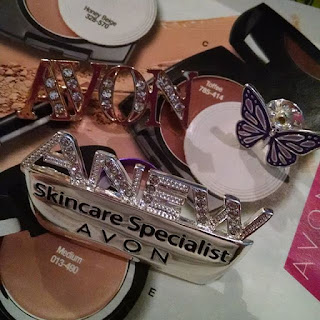
My AVON pins!

Consistency

Visual storytelling has to communicate consistently. Visual content has to cut through the noise on social media, and to do so successfully and sustainably, you need to make sure your visual content strategy has a consistent look and feel. People need to be able to recognize you, your brand and your story.

This can be accomplished through a variety of tools, such as visual styleguides and templates. Styleguides lead you with a consistent image look, what color schemes to use, what fonts you should stick to, and how you portray your brand image. Batching can be done whenever you create content, and kills two birds with one stone: 1. Batching makes sure your visuals are all customized for the social media channel they are being shared through, and 2. Batching makes sure that you are following your visual styleguide and keeping the look and feel recognizable and consistent. Developing a visual content library where reusable content and visual elements are stored can make it much easier for you. Photos, videos, infographics, fonts, textures, logos, and anything else you use regularly in your visual imagery can be stored and easily pulled for use at any time.
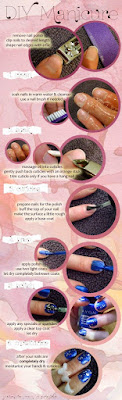

Infographic using styleguide

Storytelling

Perhaps it should be storyshowing, not storytelling. Narrative writers know that you “show, don’t tell” a story. Painting a proverbial picture is a lot easier with images then with words, but you still need to craft your story carefully.

Single images can tell a story, but a series of images can craft a sustained story that makes people want to return to you for more. Think about cliffhangers… Video is incredibly effective at telling stories, but again that storytelling needs to be thoughtfully crafted.
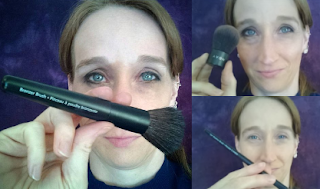
Series of photographs applying makeup with different brushes.


7 Secrets of Visual Narratives:


Storylines
Storytelling clearly requires a beginning, middle and end. Advance to the plot outline of exposition, rising action, climax, falling action and denouement, and you’ve added a rich layer to your visual storytelling. Deliver the story in chunks, spread out over a determined period of time, linked with a common element. Keeping the story real, authentic and personal supercharges the content and really makes it connectable to your customers.

5Ws and 1 H
Who are you? What do you do? Where are your products made? How do you use your products? These are questions that you ask yourself, and then answer using visuals and image-rich media. Especially productive images result from questions that your target market asks. Solicit questions from your customers (that will get them engaged, too!) and then answer those questions creatively using visuals. This next level Q&A will create interest when delivered through visual storytelling methods.

Verbs and Action
Brainstorm a list of actions – verbs – that you want to see your customers doing with your products. I sell makeup, so I would make a list that includes putting on lipstick, painting nails, using lotion. Then work on your visuals to translate those verbs. Take photographs of someone applying nail polish, with your product front and center. Make the customer the main character in the story. Make your visuals something that customers can visualize themselves actively doing. Model those actions using your visuals; give customers that visual goal and allow them the opportunity to see themselves using your products.

Dialogue that Engages
Use visuals that create interaction, solicit comments, encourage action, play games, or ask people to do something. Anything that creates interaction can be engaging. For added depth, personalize that engagement. For example, to encourage customers to interact, create a visual of a fashion look from the 1980s. Then add a layer of text that asks, “Tell us what you wore in the 80s!” Even better, crowdsource your images by soliciting people to create and share their own images to a prompt. Engaging images get people interacting, and that subsequently leads to conversion. Building and maintaining communities will help sustain that engagement.

Sensory Imagery
Sensory imagery is the use of visuals that invoke the senses of taste, smell, sight, sound and touch. For every visual goal you are working to meet, create a list of descriptive words – adjectives – that can be creatively translated into imagery. The sensory images should help reach the customer in more ways than one: looking at a visual, yes. But also smelling or tasting the food in the photograph, or feeling the smoothness of the body lotion. Perhaps hearing a sound in a video pulls up a memory. The senses can be tapped into to generate powerful emotions, and emotional responses can lead to conversion.

Figurative Meaning
When telling a story, the use of figurative language draws you in, and makes the story richer and more intriguing. Using figurative language within visual storytelling can enhance the story and make for a more memorable message. Examples of figurative meaning within visual storytelling include: hyperbole (exaggeration, sometimes intended to create comedic value), personification (giving an object the characteristics of a person), metonymy (focusing on one small part in order to convey a whole), anaphora (repetition of something for emphasis, often creating interest by changing one small thing in each iteration)

Themes
Thematically linked visuals can be extraordinarily effective. Connect a series of storytelling images with a similar color scheme, with a consistent object or person being portrayed, or showcase the lifecycle of a particular product. Themes in storytelling are tied to human challenges. Thematic imagery can represent adventure, overcoming obstacles, celebrating, travel, life events, exploring something new, finding security or safety, or making connections with others.


Above all else, remember that storytelling is an art. There is no methodology or calculating formula you can follow. The creation of imagery requires skill, but it also needs a dash of creativity. Art comes from within, from our heart and souls, and visual storytelling masterpieces within the social media frame are no different.

What are your next steps? Write a story. Write your personal story, your brand story, your product story. Start brainstorming ideas on how to visually tell your story. Then create a list of photographs to take, infographics to make, and videos to shoot. Create those visuals, schedule them into your social media editorial calendar, and visually share your stories!

Sunday, April 3, 2016

Check Your Social Media Hustle: Would you follow you?

Social media is THE channel where most direct sales representatives should be putting their marketing efforts. Consider your local advertising, purchase the promotional items that make you happy, but social media and the reach of an enormous audience is where you will find your sales success.

Plus, it's mostly free.

BUT (there's always that but)... you really, truly, absolutely need to hustle it. The Social Media Hustle is very real. You can't just BE on social media, you have to live and breathe social media. You have to work social media. And you have to make social media consumers want to engage with you.

Previous resources I have shared about social media content:


Putting this social media train into practice requires planning, scheduling and implementing.

PLAN


Create valuable content. Consumers of social media content do not want to keep seeing the same content; they are looking for the newest, freshest, most interesting content. Make sure you know your products very well, you know the needs of the consumers that use your products, and that you actively seek the newest information within your product niche. What does that mean? Consider what products you sell: you should know the benefits of your products, and be able to speak to those benefits easily. You should also know about similar products in the industry, and what is currently awesome. Remember, would you follow you?

Example: If I sell lipstick, I'm going to know my lipsticks inside out and upside down. I'm also going to know about other lipsticks: what is available, what colors were just released, benefits of other brands, where you can purchase those lipsticks and how much they cost. Why do I need to know? Because my customers know. And I need to have the same information my customers have, or more.

Create content in many different forms:

  • Photographs (Flat Lay, Behind the Scenes, Organic/Natural/Not Posed, etc.)
  • Videos
  • Infographics
  • Blog Posts
  • Tweets
  • Quotes
  • Conversations about products
  • Links to industry news, research and events
  • Sharing similar content created by others (Retweets)

Adapt your content to fit each social media channel; you will not want to share identical content on all channels every time. This takes some work, but you have very different audiences on each social media channel, and they expect to see the type of content that is suited for that channel.


SCHEDULE


You need an editorial calendar. Every single week, share the same type of content on specific days, make it consistent and stick to it. Every. Single. Week.

Skincare Sunday, Makeup Monday, Throwback Thursday. You've seen these, right? Get on this hashtag content train. Tag your original content and visually appealing images with known hashtags for more exposure, but do it carefully, thoughtfully and on a consistent editorial schedule.

Followers want to see a reliable amount of quality content, but they do not want to be inundated with too much invaluable content. There's a sweet spot, and this chart actually provides soem posting guidelines about how frequently to post for each channel. When scheduling your content, ask yourself, would you follow you?

Channel Minimum Maximum
Facebook 3x per week 10x per week
Twitter 5x per day none
Pinterest 5x per day 10x per day
Instagram 3x per week 10x per week
Google+ 5x per week 10x per week
LinkedIn 2x per week 5x per week
YouTube 1x per week 5x per week

IMPLEMENT


Push content our to social media channels. Push current content first, and make it a focus. But don't be afraid to push related content, similar products, and older content that you want to reintroduce into the feed.

Connect with other people to form relationships, grow your network and hopefully, reach your sales goals through volume. Follow for follow, like for like. Comment, interact, engage with other people, and you will begin to see the same engagement with you.

Action, Action, We Want Action. A-C-T-I-O-N! Use a Call To Action (CTA). In every content post, have a call to action. Join. Click. Shop. Save. Login. Follow. Find out more. Subscribe. Download. Email. Snag this. Get it now. You get the idea: Use an action verb that drives visitor traffic to engage with you. If you were a social media consumer, would you engage with your own call to action? Would you follow you?

Visit my beYOUtiful business blog to read more articles about social media and direct sales!

Sunday, March 13, 2016

Strategies for Direct Sales Facebook Parties

Let's have a party! Facebook virtual parties can be just as effective, if not better than home, in person parties. It's easy to get this party started. I'm giving you some great ideas on how to make Facebook parties work for your direct sales, especially if you have been trying Facebook to promote and it's just not working the way you want.

Facebook is fussy. Many representatives in direct sales are finding Facebook advertising challenging or not providing the return expected. Some of this has to do with Facebook's policies and algorithms. Some of this has to do with content that the direct seller chooses to push. Part of the problem is that Facebook's "Events" feature is meant to promote live events, not virtual events. I think that's a design failure on Facebook's part, but that's neither here nor there.

Considerations when creating a Facebook party: Event, Guests, Content, Engagement. EGCE doesn't spell anything cool, sorry. CEEG or GEEC either.


Event


To create a Facebook party, first make sure you have a Facebook business page for your direct sales business. (Creating business events from a personal page can cause problems with Facebook because it may violate their terms of service). From your Facebook business page, Create a new, PUBLIC event. I cannot stress this enough. So many people create social media content that is hidden behind their privacy filter. Make your Facebook Events PUBLIC. Make your Instagram PUBLIC. No one can see your content if it's not.

The Event Photo should be carefully crafted. You want something visually interesting, not busy, and low on text overlays. Guests will see this as a small thumbnail at first, so make sure it represents your event in a visually stimulating way. Also, adhere to the 1920 x 1080 image size in your design.

Make your Event Name powerful and relevant.

The Location should say Virtual, or Online.

Date/Time can be a single date or a time frame. On one hand, a single, short event will create a sense of urgency with guests. On the other hand, a time frame of several days expands guest participation because they can jump in at any time. A single, several hours long event or a 2 or 3 day stretch are the ideals;  anymore than 5 days can get annoying.

Co-hosts is useful if you are partnering up with another representative, or if you have a hostess. Another trick for Co-hosts? Add yourself, and as many friends as are willing to "co-host". What this will do is broaden your invite reach. Keep the invites low-ish though, or it will be id'd as spam.

Ticket URL is meant to purchase real live tickets to a real live event. I'd like to say use the link to your estore here, but I have to admit I have not tested this, and I'm not 100% sure what the policies are. If I discover this information somewhere, I will surely update you!

Description is very important. Copywrite this carefully. Your description should give specific information about what guests will experience, as well as the products or product lines you will be sharing.

I would choose Community > Shopping as the Category. Just making your event goals transparent may increase participation. Do not mislead your guests.

Leave Only hosts can post on the event wall unchecked. You want people to post; conversation is engagement and engagement leads to sales!


Guests


You want as many guests to join your event as possible. Invite all of your friends, ONCE! Don't be a spammer. Have your co-hosts invite their friends, once.

Promote your event outside of Facebook, with the linky back to the Event page.

Send out reminders leading up to the event to encourage more people to jump in.

Content


Have a purpose when you create a virtual Facebook party. Are you trying to:

  • Introduce a new product or product line?
  • Create a community?
  • Answer questions about your opportunity?
  • Promote a specific campaign?
  • Acquire new leads and customers?


Make sure you focus your content on that purpose. Answer questions about other products and services, if they come up, but make sure you have a niche focus for your party. Focus on one product, or a newly released product, or successes customers have had. Even make it a problem solving event, if multiple customers have had questions about something.


Engagement


Your shares are critical. Share content that is related to the focus of your Facebook party, and work to create guest engagement. If people are posting on the wall, asking questions, making comments, participating or responding, those crickets mean no sales for you.

Hold Party Games to Make Guests Feel Like Individuals

OK, so there is this social media concept called "gamification". Essentially, humans want to enjoy their experience, so when interaction is turned into a game, they tend to engage more. I'm not going to go into this in too much detail (yet) because I haven't learned enough about it, but the same idea holds true in educational settings. (If you have kids, ask them if they have ever played Kahoot! in school and see their reaction.) Get kids involved by making learning fun. Get adults involved by making social media fun. Have party games about your products and about your customers. Make the games personal and relevant to individuals. Make guests feel special. Bring them in, and make it about them.

Take a look at my list of Facebook Games!


Offer Promotions Coupled with a Call To Action

When people shop, they want products that will work for them, but they also want to feel like they are getting something special. Offer as many promotions and discounts as you can. Give them exclusivity. Encourage action based on losing the opportunity to a discount. "20% discount on x product, available only from 6pm to 7pm today!" or "Free shipping coupon code expires Tuesday. Order now."

Provide Explicit Product Images, Information and Instructions on How To Order

Sounds crazy, right? Sell more product and get more customers by saying, explicitly, THIS is my product, THIS is what it does for you, and THIS is how you can get it. Don' make potential customers hunt for how to buy, or work to get the products you are promoting. Engagement that leads to sales will decline if it's too hard for them. Make it super simple to spend money on what you are selling.

Want to promote more and get more sales? Go create a Facebook event, and engage your guests with great content!

Sunday, February 28, 2016

Selling With Social Media: Creating and Pushing Content

I've already started to talk about social media, here: Social Media Network Marketing, Simplified What we want to get out of social media, as direct sellers, are network connections that will help us grow our business, and customers who are interested in our products. Those network relationships should be long term, or at least longer than a single sale. Obviously, social media connections will come and go, but you want to focus on developing long term relationships, trust and credibility on social media.

Of the four key social media networking marketing activities, this blog will focus on the first: creating and sharing content. In my first social media blog post, I mention spending 10+ hours a week creating content, and that you begin to see engagement after about 6 hours a week of work. Spend as much time as you can creating original, quality content.

Since this is a two step process (1. Creating Content, 2. Pushing Content) you will see details on how to accomplish both parts of the process. In addition, you will find a summary of the top marketing Social Media Channels, the best time of day to share and the frequency of sharing.


Creating Content


The quickest, cheapest and easiest path to creating content is to create a blog. A blog will keep all of your content in one place, it is technologically one of the least challenging, and it offers one of the highest values. Another benefit of a blog is that you begin to build your personal brand. (See my blog post about personal branding, here: Personal Branding Yourself For Direct Sales)

Here is the challenge with creating content, such as a blog. You need a few content creation tools.

Social Media Accounts. Yes, you share your content on social media accounts, but you also acquire content from those same accounts. Spend some time setting up social media accounts, and begin following people. (I am currently on Facebook, Twitter, Instagram, Pinterest, LinkedIn and YouTube.) It is highly recommended that you use your own name for all of your social media accounts, in order to develop a strong personal brand. Follow the people you are interested in. If you want to focus on nails, follow ALL the nail artists and nail art people you are inspired by. See what they are talking about, read their blogs, view their images, and see who they follow. As you begin to follow people, you will begin to experience follow for follows. Be careful about this: if you spend too much time following, and not start to provide content for your followers, they will begin to fall off over time. As you develop followers, make sure you begin to give them content, too.

A Spiral Notebook. I am a professional writer. Yet, I surprisingly do not always go straight to my laptop to write - I pull out my old school spiral notebook. Physically writing does a few things for your brain that computers are not able to do. (There is a while bunch of brain science research on this.) With your spiral notebook, begin to collect ideas. Write down things you want to blog about, things you want to research, and ideas you have for content. If we are still talking nails, maybe your list would look like this: tools used to create nail art, my favorite spring nail artists, how to make suchandsuch nail art step by step. Start with your passion, and you will quickly have a list of things to write about! I also use my spiral notebook to outline or draft my content, but not everyone likes to do it that way.

Technology. The tools I recommend are: a computer/laptop with a full size keyboard and mouse (makes the content management process much easier if you have access to this tool), a smartphone, a Google account. That's it! I use my Google account for email, Google docs, sheets and slides, and Blogger (though some people prefer WordPress).

Images. Finding images can be tough, but people are visual and images are a necessity. Be careful about using other people's images, as there are copyright issues. I have had the most success with either taking photographs myself (of products, of myself, of things I like) or creating images by layering text on top of backgrounds. Images up the ante on your content - it attracts people to your textual content with visual enticement. Images help people to connect to your content, and if there is a product involved, seeing the actual product encourages people to purchase.


Pushing Content


PUSH your content. Once you have created your content, you need to get that content in front of people. Share the link to your blogs on your Facebook, Twitter, Instagram, everywhere you have social media accounts.

"Sharing quality content across your social channels is one of the most important things you can do to engage your audience and attract new followers." 
Source: http://sproutsocial.com/insights/social-media-editorial-calendar/

Editorial Schedule. The biggest tool you should be using is something called an "Editorial Schedule". What content will you be posting on Monday, Tuesday, Wednesday, Thursday, Friday, Saturday, Sunday? An editorial schedule will include your blog posts, and it will also include all of the content *around* your blog post. Share key products related to that post, industry news, inspirational images, trends, summaries from other people's blogs, headlines from related magazines, images you curate, Pins that are in the same category. Try to share the minimum recommended below for each channel. (It's not easy, I know BUT the closer you are to that goal, the closer you are to building your social media presence to where you want it.)

I use a tool called Hootsuite to schedule my content shares throughout the week. I know other people prefer to use Buffer.

One more time, for people in the back: THE MORE ORIGINAL, QUALITY CONTENT YOU CREATE AND PUSH, THE MORE ENGAGEMENT YOU WILL SEE.

Social Media Channels


Channel Content Times Minimum Maximum
Facebook I like this new makeup. between 1pm and 3pm 3x per week 10x per week
Twitter I'm wearing #makeup noon, 5pm-6pm 5x per day none
Pinterest Here's an infographic of makeup. 2pm-4pm and 8pm-11pm 5x per day 10x per day
Instagram Here's a filtered photo of me wearing makeup. 1pm-4pm 3x per week 10x per week
Google+ I can't find any makeup here. 9am-11am 5x per week 10x per week
LinkedIn My skills include wearing makeup. 7am-9am and 5pm-6pm 2x per week 5x per week
YouTube Here I am showing how to apply makeup. 2pm-4pm 1x per week 5x per week
(Content ideas modified from The Cyber Advocate's "donut" example.)


How do I know it's working? Measuring your social media efforts can be done in a few ways. Many social media channels, blog tools, offer some kind of analytics that show you how many people have viewed that content. When you shorten your links back to your estore, use bitly, which will also track how many times people click on that link. To measure your personal brand and social media health, use a tool called Klout, which gives you  a score based on your social media presence strength. Finally, the key indicator whether your social media content is working is customer engagement: are people communicating with you? are there sales happening on your estore? If you are not seeing that, focus on creating and sharing MORE content. I read somewhere that you will not start to see customers until you have at least 1,000 blog posts! It will take time. Be patient.

Sunday, January 31, 2016

Personal Branding Yourself For Direct Sales

Personal branding is the idea the YOU are the brand. Brand You. You are not just a direct sales consultant, you are a... makeup expert, jewelry lover, home decor fanatic. Focus on your passion. For example, choose one category from the Avon product offerings (makeup, jewelry, Avon Living home goods) and focus on creating a presence around that category niche. Your passion for that focus will show, and it will become part of who you are as a personal brand.

Use a blog to build your personal brand


If you have a blog or a social media presence, you should spend your efforts promoting, creating content and curating other information about your niche. A blog is one of THE best ways to showcase your personal brand. How does this work? Well, take home decor as an example. Go through the products for home decor. (Avon Living is THE place to go if you love home goods!) Start writing blog posts about those products, about that lifestyle, about home decoration, about entertaining, etc. Pin the products, but Pin MORE than those products. Pin current trends in the home decorating industry. Share home decor ideas through magazines and home decorating websites. Curate home decor photos. Create lists of easy ways to decorate (plugging in a few Avon Living products, of course). You are building your personal brand not by only promoting your Avon Living products, but also by creating a niche expertise and establishing long term trust as a source of valueable information. People WANT to know what the Top 5 Spring Decorating Trends are. They WANT to know how It's Easy To Entertain for Afternoon Tea. (Include the Bright and Cheery Tea Kettle photo and link to your estore). They NEED the super helpful information in your Floral Pillows For a Fast Spring Refresh (Include the Watercolor Fleurs and Bird Pillow Covers photo and link). THIS is the type of information people want, and the more of this you create, the more customers you will see. The more of YOU that you put into it, the more personal it becomes, and therefore more desirable.


Create an image


Let's talk about image a little bit. Brands have logos. Brands are not logos. Your brand should be your beautiful face. And your name. (Not Avon's logo.) You are your brand. If you want to design a "logo" make it your name.


Back to that Avon brand question... selling Avon is what you DO, it is not you. You DO other things, too. (Whatever that might be.. family, dogs, sports, cooking, etc.) So when you brand yourself, you have a title with Avon, you can use the Avon banner on your headshot photo, but you are not the Avon brand, and you can't use the Avon logo for yourself. When you develop your brand presence, you want to share who you are, not only that you sell Avon. People buy from people. It sounds crazy, but instead of saying, "Hi my name is Sarah, and I would like to share the Avon brochure with you." try saying, "Hi my name is Sarah Smith, and I want to help women feel beautiful."

It is important to keep your personal brand consistent. So, if you have a blog, a Facebook page, Twitter, Pinterest... keep those all looking and feeling the same. They should all have your name, your photo as your profile picture, and the same image look and fonts used for images. While you are at it, consider reserving your social media account with your name for all social media tools, even if you don't setup your profiles on those accounts yet. KnowEm? is a super useful tool.

It's official - your brand is you, your presence, and your personality.  (Online and offline). So now what? What exactly are we supposed to do with that?

How to Create Your Personal Brand


Start with the story.
  • Your personal story and your personal values. Master your own story first because when you do, you can more easily empower others.
  • Why you joined Avon and started your own beYOUtiful business. You have to feel confident with your own reasons before you can persuade others. Make it real and engaging.
  • What your "mission" is. Your personal mission. What do you want to accomplish with your beYOUtiful business?
  • The Avon story (make sure to leave this one for last - nail who you are first, then you will be better prepared to share the Avon story.

Begin with engagement.
  • Share your story on social media. Any and every social media you feel comfortable with. However, make sure if you have a social media, you work it. If you never Tweet, shut down your Twitter for now.
  • Talk to everyone about who you are and what you do. In person, online, everywhere!
  • Get your target market to engage; ask them to share what their favorite nail color is, or what they wear for sunscreen.

Develop an image
  • Get a good headshot photo and use that everywhere. If you have a friend that loves to take photographs, enlist their help! Otherwise, work with a local photographer to get yourself a couple of professional looking headshots. Try to update them seasonally, if you can.
  • Pick a visual "look". The color scheme, the images, the personality of your look should be consistent everywhere you have a presence.
  • Choose 2 to 3 colors to always use in the content you create. There is a psychology to color, too...
  • Select 1 or 2 fonts to use consistently, including 1 font to always always use for your name. Avoid frequently used and outdated fonts like Comic Sans, but don't go so fancy that the letters can't be read easily.

Create content
  • Think like a journalist. Create an editorial schedule.
  • Write blog posts. The more the better.
  • Try to create content in a doable quantity, but to gain a following your content also needs to be quality. (Hint, pure promotion is NOT good quality.)
  • Not sure where to start? Set a goal of one blog post per week. If you find you can do more - awesomesauce! Try to avoid doing less (52 blogs a year is not that many). Also, when a post has more than 1,500 words, it gets more social media engagement.
  • Expand your content into ebooks, infographics, videos, etc.

Curate content
  • Think like a museum director. Share relevant, pretty content with frequent rotation.
  • Share content created by other people, and share product information from other companies. I know this sounds counter intuitive, but curating industry knowledge actually creates more credibility for you and customers trust you more.
  • Some marketing speak: "Position Avon as a thought leader." What this means: In your curated content, make Avon an expert, and showcase Avon products as the best choice.

Promote content
  • Think like a marketing executive. Have a plan and a "look".
  • This is where most new reps focus all of their attention. Promotion should be about 1/3 of your total content. Any more than that and your content will be flooded with sales type stuff and people will be turned off.

Dos and Don'ts


What to do
Be real. You are you and nobody else is you. Be authentic. (But not TOO authentic - refer to drama llama)
Be online. Even offline customers will look you up online. make sure your online presence reflects your offline business.
Be valuable. Write a mission statement.


What NOT to do
Be a drama llama. Do not share personal details, like your dog's poop or your recent breakup. Don't ever talk about politics or religion. Customers don't care and it will turn them off forever.
Be everything. You need to create a niche and focus on one thing. If you try to be everything to everyone, you will be spread too thin and you won't be able to focus your efforts.

3 key words to make personal branding amazing:

Friday, May 1, 2015

Social Media Network Marketing, Simplified

What is Social Media Network Marketing?


Social Media Network Marketing is a type of marketing that leverages social media tools, like Facebook, Pinterest and Instagram, to build network connections for the purpose of selling product or recruiting individuals to a direct sales company.

Top Social Media Network Marketing activities:
  • Creating and sharing content
  • Listening to social media buzz
  • Building networks through comments, Likes, Follows, Tweets, etc.
  • Finding more leads online

AVON ISRs are in somewhat new territory. We want to navigate the social media waters, identify the best tools, engage prospects and drive customers to buy at our youravon page or sign up to sell at our startavon page, and we want to be able to measure how all of that is working.


Tool Description Effectiveness Ease of Use
Facebook connecting and sharing - hard to tell
- FB logarithm changes have reduced views
- pages do have stats
Takes Some Effort
Blogs writing and sharing content - has to be good, relevant, interesting content
- best when it's mobile optimized
Takes A Lot Of Effort
Twitter short "tweets",
micro blog
- can quickly become viral via retweets and hashtags
- offers engagement
Easy Peasy
Linked In professional networking -good for building connections Takes Some Effort
Google + networking
(actually most ppl aren't really sure?)
- Google is making some changes Takes A Lot Of Effort
Pinterest "Pin" to organize and share visuals - Very engaging
- Repins and links drive traffic well
Easy Peasy
Instagram Visuals sharing - Engaging
- Can drive traffic well
Easy Peasy
YouTube Video sharing - Versatile
- Edutainment videos work best
- Call to action helps drive traffic
Takes A Lot Of Effort
Tumblr Micro blog, sharing - Engaging
- Can drive traffic
Easy Peasy
Others, like Vine, Snapchat video sharing, visual messaging, etc. - Varies Varies


With any of these social media tools, one significant factor is CONSISTENCY. Whatever you create and share, do so consistently, on a schedule, with as high a frequency as you can manage. Fresh, interesting, engaging content is so important.

Four Key Social Media Network Marketing Activities:


Spend time creating and sharing CONTENT

Spend most of your time creating high quality content. You should be spending at least 10 + hours a week creating content, though increased traffic and lead generation usually starts at around 6 hours a week.

Write quality blogs, and push blogs out to social media sites, such as Facebook, Pinterest, Instagram and Twitter. Always provide links back to youravon estore! This is incredibly important; prospects can't engage and become customers if they don't have the path to your estore.

Content should be written, but you can enhance and elaborate through visuals and videos.

Share product and opportunity directly from your estore, and leverage the sharing tools available through the Social Media Center!


LISTEN to people on social media 

Listen to the buzz. Don't comment until you have really listened! Listen to what online prospects are saying. Listen to their concerns, their comments, their complaints. THEN, carefully craft responses that fill their needs.

Listen to individuals through comments and messaging. Respond with professional solutions, but don't push product. Help solve their problems!


Build RELATIONSHIPS

Make friends, not enemies. Try not to be overly aggressive... people want to buy from a person not just someone who can post about their products. People want to know that you have the knowledge they are seeking.

Make online customers a priority, just like you would if you were helping them face to face. Treat online prospects and sales exactly like personal sales.

Be professional, and always communicate like everyone you meet online is a customer. If you wouldn't say something to a customer while standing on their porch, never say it online! Never be rude, and always respect everyone. Avoid commenting about religion, politics, controversy and never use any inappropriate content on any publicly viewable social media!


Find more LEADS online 

Drive leads to you by creating quality content. LINK, LINK, LINK directly to your estore or opportunity page.

blogs, infographics and video


Seriously, write a quality blog post, create a valuable video, or pin an infographic you have created EVERY SINGLE DAY!

Online events can rapidly expand your leads. Host a Facebook party!

You can also use tools such as SEO and SIGs to help find more customers online. Search Engine Optimization (SEO) is using keywords within your content to help people find you. (This is not the same as Google Adwords, which is not allowed by Avon). These are keywords that you use as a rich way to enhance your content by placing them within your content and as tags/labels on your blogs. Special Interest Groups (SIGs) are niche sites where people go for specific interests they have. These can be within Facebook groups, Pinterest interests, Twitter hashtags, and niche websites such as Ravelry or CafeMom.


Bonus!


Integrate all social media tools, starting with the quality content and sharing out everywhere! For example, for every blog post you write, share it to Facebook and Twitter. Create a companion board and infographics for Pinterest. Plan videos to post through YouTube. INTEGRATE your Social Media Network Marketing efforts!

Be aware that every social media site has its own policies, and Avon has its own policies. Make sure you read, understand and follow those policies!