Showing posts with label social media marketing. Show all posts

Tuesday, May 10, 2016

Tuesday Tip: Social Media Image Sizes

Did you know that every single social media channel has different requirements for image sizes? As part of your content marketing strategy, you should be creating content that is best suited for specific social media channels, anyway. Make sure you take the extra step and create the image at the correct image size before using it. It is very important that your visual content is optimized!


I have curated a few resources that provide the details on image sizes and requirements for each of the social media sites, with sizes for most frequently used tools: Facebook, LinkedIn, YouTube, Instagram, Twitter, Pinterest, tumblr, and Google +

Wednesday, May 4, 2016

3 Elements of a Visual Content Strategy, and 7 Secrets of Visual Narratives

Trying to sell on social media? You absolutely need a visual content strategy.

One more time: Visual. Content. Strategy.

Text only is not going to cut it. Still images only is probably not going to cut it anymore, either, though there is still a huge demand for high quality imagery, including illustrations, infographics, and photographs. Short, high quality value packed videos are in really high demand. (And short supply).

As a brand (EVEN as an individual, direct sales personal brand) your social media strategy has got to be more than “Use more images.” The application of visuals in your social media efforts has to be strategic and carefully planned. Write your story first, and then seek the visuals that will meet those story goals.

Your content strategy HAS TO:
  • Align imagery with marketing goals
  • Be creative, original, authentic and high quality
  • Be optimized for each social media channel in format, content and size while maintaining cohesiveness
  • Include a variety of image formats (photographs, video, infographics, illustrations)


3 elements of a visual content strategy are authenticity, consistency and storytelling.

Authenticity

Visuals, such as photographs, used on social media need to be authentic, not staged. They should try to evoke emotion, be editorial in style, and reflect lifestyle. Avoid stock images like the plague. And, they need to tell a story.

Content consumers crave authenticity. Lead with passion. This is why millenials are so successful with social media, because they are leading with personal passion. And they are authentic. The types of visual content they create is authentic and personal. They take selfies, they share experiences, they shoot video of places they go and things they do. This subgroup of consumers, usually in the 18-35 age range, crave authenticity because they want their life experiences to be real and valid. They want brands and the products they use to be authentic; they shun fake and they don’t trust spin. They want honesty and will flat out reject you if they can sense any false pretenses in you, your brand or your product. Authentic engagement is truly very important to millenials on social media, and there are A LOT of millenials on social media! Interaction and engagement has to come from a real live person.
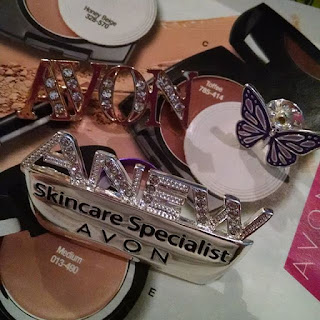
My AVON pins!

Consistency

Visual storytelling has to communicate consistently. Visual content has to cut through the noise on social media, and to do so successfully and sustainably, you need to make sure your visual content strategy has a consistent look and feel. People need to be able to recognize you, your brand and your story.

This can be accomplished through a variety of tools, such as visual styleguides and templates. Styleguides lead you with a consistent image look, what color schemes to use, what fonts you should stick to, and how you portray your brand image. Batching can be done whenever you create content, and kills two birds with one stone: 1. Batching makes sure your visuals are all customized for the social media channel they are being shared through, and 2. Batching makes sure that you are following your visual styleguide and keeping the look and feel recognizable and consistent. Developing a visual content library where reusable content and visual elements are stored can make it much easier for you. Photos, videos, infographics, fonts, textures, logos, and anything else you use regularly in your visual imagery can be stored and easily pulled for use at any time.
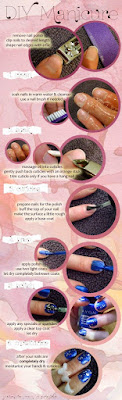

Infographic using styleguide

Storytelling

Perhaps it should be storyshowing, not storytelling. Narrative writers know that you “show, don’t tell” a story. Painting a proverbial picture is a lot easier with images then with words, but you still need to craft your story carefully.

Single images can tell a story, but a series of images can craft a sustained story that makes people want to return to you for more. Think about cliffhangers… Video is incredibly effective at telling stories, but again that storytelling needs to be thoughtfully crafted.
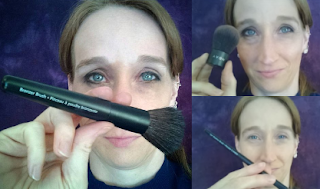
Series of photographs applying makeup with different brushes.


7 Secrets of Visual Narratives:


Storylines
Storytelling clearly requires a beginning, middle and end. Advance to the plot outline of exposition, rising action, climax, falling action and denouement, and you’ve added a rich layer to your visual storytelling. Deliver the story in chunks, spread out over a determined period of time, linked with a common element. Keeping the story real, authentic and personal supercharges the content and really makes it connectable to your customers.

5Ws and 1 H
Who are you? What do you do? Where are your products made? How do you use your products? These are questions that you ask yourself, and then answer using visuals and image-rich media. Especially productive images result from questions that your target market asks. Solicit questions from your customers (that will get them engaged, too!) and then answer those questions creatively using visuals. This next level Q&A will create interest when delivered through visual storytelling methods.

Verbs and Action
Brainstorm a list of actions – verbs – that you want to see your customers doing with your products. I sell makeup, so I would make a list that includes putting on lipstick, painting nails, using lotion. Then work on your visuals to translate those verbs. Take photographs of someone applying nail polish, with your product front and center. Make the customer the main character in the story. Make your visuals something that customers can visualize themselves actively doing. Model those actions using your visuals; give customers that visual goal and allow them the opportunity to see themselves using your products.

Dialogue that Engages
Use visuals that create interaction, solicit comments, encourage action, play games, or ask people to do something. Anything that creates interaction can be engaging. For added depth, personalize that engagement. For example, to encourage customers to interact, create a visual of a fashion look from the 1980s. Then add a layer of text that asks, “Tell us what you wore in the 80s!” Even better, crowdsource your images by soliciting people to create and share their own images to a prompt. Engaging images get people interacting, and that subsequently leads to conversion. Building and maintaining communities will help sustain that engagement.

Sensory Imagery
Sensory imagery is the use of visuals that invoke the senses of taste, smell, sight, sound and touch. For every visual goal you are working to meet, create a list of descriptive words – adjectives – that can be creatively translated into imagery. The sensory images should help reach the customer in more ways than one: looking at a visual, yes. But also smelling or tasting the food in the photograph, or feeling the smoothness of the body lotion. Perhaps hearing a sound in a video pulls up a memory. The senses can be tapped into to generate powerful emotions, and emotional responses can lead to conversion.

Figurative Meaning
When telling a story, the use of figurative language draws you in, and makes the story richer and more intriguing. Using figurative language within visual storytelling can enhance the story and make for a more memorable message. Examples of figurative meaning within visual storytelling include: hyperbole (exaggeration, sometimes intended to create comedic value), personification (giving an object the characteristics of a person), metonymy (focusing on one small part in order to convey a whole), anaphora (repetition of something for emphasis, often creating interest by changing one small thing in each iteration)

Themes
Thematically linked visuals can be extraordinarily effective. Connect a series of storytelling images with a similar color scheme, with a consistent object or person being portrayed, or showcase the lifecycle of a particular product. Themes in storytelling are tied to human challenges. Thematic imagery can represent adventure, overcoming obstacles, celebrating, travel, life events, exploring something new, finding security or safety, or making connections with others.


Above all else, remember that storytelling is an art. There is no methodology or calculating formula you can follow. The creation of imagery requires skill, but it also needs a dash of creativity. Art comes from within, from our heart and souls, and visual storytelling masterpieces within the social media frame are no different.

What are your next steps? Write a story. Write your personal story, your brand story, your product story. Start brainstorming ideas on how to visually tell your story. Then create a list of photographs to take, infographics to make, and videos to shoot. Create those visuals, schedule them into your social media editorial calendar, and visually share your stories!

Sunday, April 24, 2016

Seeking: Blog Writers, Lifestyle Photographers, Product Testers, Influencers

Business has changed. Social media has been accelerating at breakneck speed, and it is literally everywhere now. Businesses have been using content marketing through social media networks, and over the past few years, social has risen to become THE primary marketing tool for companies that sell consumer products over the internet. Facebook, Twitter, Instagram, YouTube, Pinterest, and others, are all tools to promote and communicate socially. And this format of marketing is not going anywhere.

This is a HUGE opportunity. Many companies have a very specific marketing plan for television, print and radio. However, companies are struggling to move into the social space because it is such a different way to market.

Companies that sell through direct representatives have an opportunity to really excel in the social media space. Why? Because social media is about two things: individuals and relationships. Social works best when it is individual people connecting through relationships within the social media space. This is ideal for direct sales because the individual representatives can really showcase themselves and the companies products in conjunction.

The true opportunity comes because more content is needed. Content creation is still an enormous opportunity, and the more content that can be created around a product or a company, the more that company will excel within the social media space.

What does social media content look like? It looks personal, it looks unique and it looks valuable. It is authentic. And it looks different for every single platform, which is part of why more of it is needed. Facebook content looks different from Tweets, which look different from Instagram, which is definitely different from video social like Vine and YouTube. The mood is also something to consider. Is the content funny, inspirational, informative, promotional, educational? New, fresh, authentic, valuable content is very needed.
Content forms can include:
  • blogs
  • photography (all types, but flat lay photos, especially in Instagram, are on trend in social)
  • tweets and retweets
  • Pinterest images and infographics
  • product reviews
  • videos (short, highly engaging videos are really starting to define social media this year)
  • interactive, such as quizzes, games, tools, and apps (a true need: there are nearly none for beauty, but people are clamoring for them!)

Would you like to blog?


Do you want to write informative blog posts about people, products and your love of beauty? Like to share everything that's going on? new products, news, promotions, and sales? As a blog writer, the name of the game is share, and often. Blogs should have editorial schedules: write about new products on Sundays, write about the upcoming week's promotions on Fridays, and so on.


Blogs should be an engaging blend of text and images. The content should be useful to the reader... people should be able to get something valuable from the blog post. If you like the idea of researching expert information, writing quality, fresh content, consistently, then start writing blogs!

Qualifications:

  • Grammar and writing skills
  • Able to create original and engaging blog content
  • Passionate about sharing your love of beauty


Want to learn more about being the best blogger?

Are you creative with a camera?


When you are out, are you the type of person to pull out your smartphone and start shooting pictures? Do you love taking selfies, or photos of your makeup hauls? As a photographer, you really have a lot of fun, creative things you can do and then share on social media channels like Instagram.


Photographs about beauty come in a variety of formats: lifestyle photographs of people, well lit professional style photographs, even flat lay product photographs. (Which are really hot on Instagram right now, by the way). If you love the idea of using your smartphone, digital camera or even high end SLR camera to take gorgeous photographs, then start shooting!


Qualifications:

  • Creative photography skills
  • Enjoy shooting photographs of people 
  • Able to setup a creative scene


Looking for some great lifestyle photography tips?

Do you love trying new beauty products?


Do you pick up the newest lipstick, eyeshadow palette or beauty gadget (BeautyBlender anyone?) just to see how it works? Would you love to try new fragrances or fit new clothing styles? As a product tester, you try out new products for quality, look, feel, and other consumer focused characteristics.


Product testers are usually the first to buy something that has just been released to market. Often, the new products are part of a product review - sometimes done using video and shared out to YouTube.

Qualifications:

  • Connected with beauty news, new products and trends
  • Like reading or watching new product reviews
  • Love to try out new products when they are released


Check out some pretty intense tips for top product review writing.

Are you an influencer?


Image makers are at the top of their industry. They are the people that influence what others do, and they are very much trendsetters. Becoming an influencer takes expertise and patience in order to build a loyal and trusting following.


Influencers have the ability to create action, and are often the go to resource in their industry. To be a beauty influencer, you have to focus on developing ultra high quality content, network and build a strong presence over time. It can be done!

Top tips for becoming a social media influencer.

Qualifications:

  • Want to be a leader in beauty
  • Reliable image maker and able to share expert news with many people
  • Connect with people... daily


If this business lifestyle sounds great to you, you can do it. Right now. Build your very own business online, write blogs, take photos, test new products and influence others through social! You have the power to create this rockstar social media presence, and you can do it in conjunction with a wonderful company that offers amazing beauty products.


Sunday, April 3, 2016

Check Your Social Media Hustle: Would you follow you?

Social media is THE channel where most direct sales representatives should be putting their marketing efforts. Consider your local advertising, purchase the promotional items that make you happy, but social media and the reach of an enormous audience is where you will find your sales success.

Plus, it's mostly free.

BUT (there's always that but)... you really, truly, absolutely need to hustle it. The Social Media Hustle is very real. You can't just BE on social media, you have to live and breathe social media. You have to work social media. And you have to make social media consumers want to engage with you.

Previous resources I have shared about social media content:


Putting this social media train into practice requires planning, scheduling and implementing.

PLAN


Create valuable content. Consumers of social media content do not want to keep seeing the same content; they are looking for the newest, freshest, most interesting content. Make sure you know your products very well, you know the needs of the consumers that use your products, and that you actively seek the newest information within your product niche. What does that mean? Consider what products you sell: you should know the benefits of your products, and be able to speak to those benefits easily. You should also know about similar products in the industry, and what is currently awesome. Remember, would you follow you?

Example: If I sell lipstick, I'm going to know my lipsticks inside out and upside down. I'm also going to know about other lipsticks: what is available, what colors were just released, benefits of other brands, where you can purchase those lipsticks and how much they cost. Why do I need to know? Because my customers know. And I need to have the same information my customers have, or more.

Create content in many different forms:

  • Photographs (Flat Lay, Behind the Scenes, Organic/Natural/Not Posed, etc.)
  • Videos
  • Infographics
  • Blog Posts
  • Tweets
  • Quotes
  • Conversations about products
  • Links to industry news, research and events
  • Sharing similar content created by others (Retweets)

Adapt your content to fit each social media channel; you will not want to share identical content on all channels every time. This takes some work, but you have very different audiences on each social media channel, and they expect to see the type of content that is suited for that channel.


SCHEDULE


You need an editorial calendar. Every single week, share the same type of content on specific days, make it consistent and stick to it. Every. Single. Week.

Skincare Sunday, Makeup Monday, Throwback Thursday. You've seen these, right? Get on this hashtag content train. Tag your original content and visually appealing images with known hashtags for more exposure, but do it carefully, thoughtfully and on a consistent editorial schedule.

Followers want to see a reliable amount of quality content, but they do not want to be inundated with too much invaluable content. There's a sweet spot, and this chart actually provides soem posting guidelines about how frequently to post for each channel. When scheduling your content, ask yourself, would you follow you?

Channel Minimum Maximum
Facebook 3x per week 10x per week
Twitter 5x per day none
Pinterest 5x per day 10x per day
Instagram 3x per week 10x per week
Google+ 5x per week 10x per week
LinkedIn 2x per week 5x per week
YouTube 1x per week 5x per week

IMPLEMENT


Push content our to social media channels. Push current content first, and make it a focus. But don't be afraid to push related content, similar products, and older content that you want to reintroduce into the feed.

Connect with other people to form relationships, grow your network and hopefully, reach your sales goals through volume. Follow for follow, like for like. Comment, interact, engage with other people, and you will begin to see the same engagement with you.

Action, Action, We Want Action. A-C-T-I-O-N! Use a Call To Action (CTA). In every content post, have a call to action. Join. Click. Shop. Save. Login. Follow. Find out more. Subscribe. Download. Email. Snag this. Get it now. You get the idea: Use an action verb that drives visitor traffic to engage with you. If you were a social media consumer, would you engage with your own call to action? Would you follow you?

Visit my beYOUtiful business blog to read more articles about social media and direct sales!

Sunday, February 14, 2016

Striving For Financial Independence

Creating wealth, earned income, passive income, financial independence. If you are a new entrepreneur, these are phrases that might be newly added to your lexicon.

Wealth and income lead to financial independence. But it can take a REALLY long time! Building wealth and increasing income takes time and, you guessed it, hard hard work.

Many people live paycheck to paycheck, or are unable to even pay their bills. It’s a common place to be. Others have no problems paying bills, have no debt, have disposable income and don’t even have to work. What’s their secret? Inherited wealth? Zero debt? Saving every little penny? Playing the stock market?

Earn more, spend less.

This is a super simple concept, really. Yet, it is so much harder to put into practice. To develop wealth, increase income and work toward true financial freedom, you have to earn more and spend less.

That is what makes direct selling such an ideal opportunity.

I am trying to reach financial freedom using the supplemental income model. Here’s my scenario: I work full time. I teach. With that full time income, I am trying to cover my household expenses, like the mortgage, bills, student loan debt, etc. It’s really hard, let me tell you!

The beauty of direct selling is that you can utilize the opportunity for full time income, or as additional income to what you already earn.

When you join Avon, it’s only a $15 investment. I like to suggest you invest a full $100. You don’t have to, and Avon only requires $15 to become an official representatives. (Other direct selling companies have varying investment and start up costs. Avon has one of the lowest, has longevity, and has a huge product catalog.) When you set aside $100 to invest, the remainder can be used for business cards, tools, supplies, or other items that will help you launch your business. Spend any more than that $100, and you start to experience investment loss.

Earn more, spend less.

Earn more with direct selling opportunities. For every sale you make, you will earn. That is how direct selling companies are designed to work. This doesn’t work if you spend for yourself. You absolutely have to rely on finding customers and making sales.

With direct selling companies like Avon, you can earn. Earnings are real, they are reachable. There is a wonderful group of very real, very hard working women who are at the top of earning with Avon. They know how to be a direct sales representative, and how! Lisa Wilber, Molly Stone-Bibb, Lisa Monoson, Emily Seagren, Theresa Paul, Milagros Garcia, Lisa Scola, Linda Montavon, Jennett Pulley… they are all leaders, all making Avon work for THEM, and all working to make Avon awesome.

There are about 300,000 Avon representatives in the United States. The ones who are ridiculously successful don't have a secret, they make their own magic, they all have extraordinarily positive attitudes, they all have very unique approaches, and they all work VERY hard to reach their goals.

Earn more, spend less.

There is gold at the end of your rainbow. 
You just need to create your rainbow!

How? How do you earn more profit and spend less? This is totally possible, and here are 3 very specific, very effective ways to do it:

Have a plan. When you launch any business, you need to create a well thought out plan. That plan includes how the business will operate, how you will market your products or services, and specific actions you will take during the first year of your business. * See my beYOUtiful business plan template * (need this file in a different format? contact me!)

Leverage social media. Your family, friends and acquaintances are on social media. Future customers you haven’t met yet are on social media, too! The more you use social media, the more networking opportunities you will have, and the more your network connections base will grow.

Run your business like a business and not as a hobby. Direct sales can effectively be used as a hobby, or as a short term funds goal (i.e. selling for 3 months to earn enough to buy holiday gifts). However, to create and maintain a successful direct sales business, you need to run it like a business and NOT like a hobby! You really need to actively being doing something productive for your business every single day.

Sunday, January 31, 2016

Personal Branding Yourself For Direct Sales

Personal branding is the idea the YOU are the brand. Brand You. You are not just a direct sales consultant, you are a... makeup expert, jewelry lover, home decor fanatic. Focus on your passion. For example, choose one category from the Avon product offerings (makeup, jewelry, Avon Living home goods) and focus on creating a presence around that category niche. Your passion for that focus will show, and it will become part of who you are as a personal brand.

Use a blog to build your personal brand


If you have a blog or a social media presence, you should spend your efforts promoting, creating content and curating other information about your niche. A blog is one of THE best ways to showcase your personal brand. How does this work? Well, take home decor as an example. Go through the products for home decor. (Avon Living is THE place to go if you love home goods!) Start writing blog posts about those products, about that lifestyle, about home decoration, about entertaining, etc. Pin the products, but Pin MORE than those products. Pin current trends in the home decorating industry. Share home decor ideas through magazines and home decorating websites. Curate home decor photos. Create lists of easy ways to decorate (plugging in a few Avon Living products, of course). You are building your personal brand not by only promoting your Avon Living products, but also by creating a niche expertise and establishing long term trust as a source of valueable information. People WANT to know what the Top 5 Spring Decorating Trends are. They WANT to know how It's Easy To Entertain for Afternoon Tea. (Include the Bright and Cheery Tea Kettle photo and link to your estore). They NEED the super helpful information in your Floral Pillows For a Fast Spring Refresh (Include the Watercolor Fleurs and Bird Pillow Covers photo and link). THIS is the type of information people want, and the more of this you create, the more customers you will see. The more of YOU that you put into it, the more personal it becomes, and therefore more desirable.


Create an image


Let's talk about image a little bit. Brands have logos. Brands are not logos. Your brand should be your beautiful face. And your name. (Not Avon's logo.) You are your brand. If you want to design a "logo" make it your name.


Back to that Avon brand question... selling Avon is what you DO, it is not you. You DO other things, too. (Whatever that might be.. family, dogs, sports, cooking, etc.) So when you brand yourself, you have a title with Avon, you can use the Avon banner on your headshot photo, but you are not the Avon brand, and you can't use the Avon logo for yourself. When you develop your brand presence, you want to share who you are, not only that you sell Avon. People buy from people. It sounds crazy, but instead of saying, "Hi my name is Sarah, and I would like to share the Avon brochure with you." try saying, "Hi my name is Sarah Smith, and I want to help women feel beautiful."

It is important to keep your personal brand consistent. So, if you have a blog, a Facebook page, Twitter, Pinterest... keep those all looking and feeling the same. They should all have your name, your photo as your profile picture, and the same image look and fonts used for images. While you are at it, consider reserving your social media account with your name for all social media tools, even if you don't setup your profiles on those accounts yet. KnowEm? is a super useful tool.

It's official - your brand is you, your presence, and your personality.  (Online and offline). So now what? What exactly are we supposed to do with that?

How to Create Your Personal Brand


Start with the story.
  • Your personal story and your personal values. Master your own story first because when you do, you can more easily empower others.
  • Why you joined Avon and started your own beYOUtiful business. You have to feel confident with your own reasons before you can persuade others. Make it real and engaging.
  • What your "mission" is. Your personal mission. What do you want to accomplish with your beYOUtiful business?
  • The Avon story (make sure to leave this one for last - nail who you are first, then you will be better prepared to share the Avon story.

Begin with engagement.
  • Share your story on social media. Any and every social media you feel comfortable with. However, make sure if you have a social media, you work it. If you never Tweet, shut down your Twitter for now.
  • Talk to everyone about who you are and what you do. In person, online, everywhere!
  • Get your target market to engage; ask them to share what their favorite nail color is, or what they wear for sunscreen.

Develop an image
  • Get a good headshot photo and use that everywhere. If you have a friend that loves to take photographs, enlist their help! Otherwise, work with a local photographer to get yourself a couple of professional looking headshots. Try to update them seasonally, if you can.
  • Pick a visual "look". The color scheme, the images, the personality of your look should be consistent everywhere you have a presence.
  • Choose 2 to 3 colors to always use in the content you create. There is a psychology to color, too...
  • Select 1 or 2 fonts to use consistently, including 1 font to always always use for your name. Avoid frequently used and outdated fonts like Comic Sans, but don't go so fancy that the letters can't be read easily.

Create content
  • Think like a journalist. Create an editorial schedule.
  • Write blog posts. The more the better.
  • Try to create content in a doable quantity, but to gain a following your content also needs to be quality. (Hint, pure promotion is NOT good quality.)
  • Not sure where to start? Set a goal of one blog post per week. If you find you can do more - awesomesauce! Try to avoid doing less (52 blogs a year is not that many). Also, when a post has more than 1,500 words, it gets more social media engagement.
  • Expand your content into ebooks, infographics, videos, etc.

Curate content
  • Think like a museum director. Share relevant, pretty content with frequent rotation.
  • Share content created by other people, and share product information from other companies. I know this sounds counter intuitive, but curating industry knowledge actually creates more credibility for you and customers trust you more.
  • Some marketing speak: "Position Avon as a thought leader." What this means: In your curated content, make Avon an expert, and showcase Avon products as the best choice.

Promote content
  • Think like a marketing executive. Have a plan and a "look".
  • This is where most new reps focus all of their attention. Promotion should be about 1/3 of your total content. Any more than that and your content will be flooded with sales type stuff and people will be turned off.

Dos and Don'ts


What to do
Be real. You are you and nobody else is you. Be authentic. (But not TOO authentic - refer to drama llama)
Be online. Even offline customers will look you up online. make sure your online presence reflects your offline business.
Be valuable. Write a mission statement.


What NOT to do
Be a drama llama. Do not share personal details, like your dog's poop or your recent breakup. Don't ever talk about politics or religion. Customers don't care and it will turn them off forever.
Be everything. You need to create a niche and focus on one thing. If you try to be everything to everyone, you will be spread too thin and you won't be able to focus your efforts.

3 key words to make personal branding amazing:

Sunday, January 17, 2016

What is Direct Selling, Exactly?

Direct selling is the business model where products are developed and tested then distributed to customers through direct channels such as independent sales representatives. There are no "middle men" - no large scale distributors, no retail stores.

Avon Products, Inc. products go directly to the customer, either shipped directly when ordered online, or personally via one of Avon's Independent Sales Representatives.

Sales Channels


Direct sellers make sales face to face or online. Personal face to face  can be made through a representatives existing social networks (friends, family, coworkers, neighbors, groups, businesses) or by prospecting in their geographic area. Online sales can be made through networks online, which expands a representative's prospecting base considerably. Many representatives choose to sell products using both face to face and online channels.

SLM versus MLM


Single level marketing (SLM) direct selling is where a representative buys product from a direct selling company and sells the product directly to customers, gaining a profit on the sale. Multi level marketing (MLM) direct selling is where a representative participates in SLM and also participates in leadership of new representatives, generally with a commission or an incentive.

Avon's 2014 revenue was $8.9 billion.

Why Direct Selling Appeals to Home Entrepreneurs


  • Direct selling is a good choice for:
  • Stay at home moms
  • People with full time employment who want to supplement their income
  • Individuals on disability or are retired and may have limited mobility
  • Retired veterans

Why? Because direct selling has flexibility - you are not confined to specific work hours, driving to a specific location or required to have specific resume skills. It is this flexible alternative to traditional employment options that is probably the most appealing.

In direct selling, there is unlimited opportunity. Direct sales representatives do not have to worry about the product supply chain. In traditional entrepreneurship, the new business has to focus on developing a product or service and identifying the market for that product or service. Product development and manufacturing takes significant time and financial resources. Even a simple at home craft business would have to invest $5000 to $10000 to launch. Direct selling companies typically have a $100 or less investment to launch.

Avon's products include a large, diverse catalog of makeup, skincare, fragrance, bath & body, jewelry, fashion and home, with products for women, men, kids and millenials.

Advantages of Direct Selling


The advantages of a direct selling business model for a sales representative:
  • Create your own work schedule and hours of effort.
  • Ability to enter entrepreneurship with little formal training or education
  • Empowering, especially for women, by creating transferable social and business skills
  • Low start up costs, low risk to maintain, easy to grow, plus profits are tied directly to effort
  • Product catalog available with no development and manufacturing investment

The advantages of a direct selling business model for a customer:
  • Individual human representatives to guide product choices and answer questions
  • Innovative product choices not always available in retail stores
  • Convenience and reliability of service (home delivery by representatives or online shipping)

Freedom of Entrepreneurship


Starting a direct selling business opportunity does not require diplomas, certificates or college degrees. However, direct selling often develops those marketable skills!

  • Communication
  • Time management
  • Organization
  • Innovation and problem solving
  • Customer service
  • Technology literacy
  • Soft skills (creativity, process management, work ethic & social skills)
There are over 18 million people in direct selling. The average cost to start is $100. The risk of loss is incredibly low if you decide to quit. Reasons people are direct selling reps - long term supplemental income, products at a discount, independent entrepreneur flexibility. (DSA 2015 Growth and Outlook survey and 2014 National Salesforce Study).

Join In with your own beYOUtiful business!

Thursday, November 5, 2015

Create and Share Content on Social Media

create content

 I try to create high value content and product content. This is an example of product content.

I made a video using Animoto. I used text and product images of boots to create a short product promotional video about relevant trends.

This is just ONE example of content: a short YouTube video. I try to create at least ONE piece of content every day. It doesn't always happen.

SHARE CONTENT

Then I shared the video to YouTube. From my Animoto phone app, I also downloaded the video and then shared a snippet to Instagram. I pinned all of the products in the video to one of my Pinterest boards. From YouTube, I tweeted the video to my Twitter, adding some hashtags. From YouTube, I shared the video to my Facebook page.

The idea is to maintain a consistent brand image across all social media accounts.

I would use the same share process for a blog post, infographic or any other valuable content created.

creating and sharing content frequently is the number one strategy to increase sales online.

TIPS
  • Make sure all paths lead back to your estore
  • Frequency is really frequent, like way more frequent than you think
    • Facebook 1/day
    • Twitter 5/day
    • Linked In 2/week
    • Pinterest 5/day
    • Google + 5/week
    • Instagram 1/day
    • Blogs 4/week
    • Youtube 1/week
  • Content should be a mix of product promotion, valuable information and curating content found on the internet
    • 1/3 create your own
    • 1/3 share product
    • 1/3 curate other content