Showing posts with label social media. Show all posts

Tuesday, May 17, 2016

Tuesday Tip: Ideal Content Lengths for Social Media

Blogs

To write effective blog posts, choose content ideas that reflect the needs of your consumers. Direct the content as you want, using how tos, high quality journalistic style, personal storytelling, lists, product reviews, curated content, etc. Try to keep your blogs evergreen, meaning they will continue to be relevant in the future. Be sure to have an interesting title, headings, calls to action, links to your offer, and images.

Blog post lengths:

  • Short 500-800 words
  • Medium 800-1500
  • Long 1500+

The ideal blog post length is 1500 words, with 50 character titles.

Facebook

Facebook posts should be short, only 1 or 2 sentences, but jam packed with valuable, engaging content. Offer current information, a newly released product, or pose a question. Include an image and a link.

Ideal length for a Facebook post is 1 or 2 sentences.

Twitter

To write killer tweets, you have to think short and sweet. To master pith, draft your message and then edit your word choices carefully. Take advantage of verbs, sensory descriptions with adjectives, and avoid filler words, like "very". Right before you are ready to click Tweet, edit one last time.

Twitter limits posts to 140 characters, but the ideal length is between 75-100 characters.

Instagram

The key to Instagram is clearly visual.  Instagram requires an image, and that is the showcase of your post. The caption that accompanies your visual image should also be productive. Keep your caption short, use two hash tags at the most, and your call to action can't be an active link. Storytelling can supplement your image in the caption. It's also OK to go caption free and let that showcase visual tell the whole story.

While images are the most important, captions of 100 characters or less are ideal.

YouTube

Video content is currently king. But, that video should be highly valuable and short. 3 minutes is an ideal length, because videos should be engaging and snackable. Video is great for tutorials, how tos, behind the scenes, informative explanations, product demonstrations, sharing expertise, narratives or live events. Combine video/visuals, text and your active or voice over audio, plus background music to add mood. The challenge with video is quality-high definition, great lighting, clear audio, and professional looking scenery.

Ideal video length: 3 minutes

Pinterest

For perfect pins, combine an attractive image with readable text. Text should be large enough don't, and high enough contrast to be legible while scrolling through a Pinterest feed. Your caption should be descriptive, with additional details about the pin, and a call to action plus link to more information. How tos, info graphics, categorical interests, and mini "ads" (think food photos with a call to action to click a link for the recipe) are all really successful on Pinterest. Pretty, inspirational photographs also garner a lot of Pin It attention, especially when someone is trying to curate ideas on a board.

Ideal Pinterest caption length is 200 characters


Tuesday, May 10, 2016

Tuesday Tip: Social Media Image Sizes

Did you know that every single social media channel has different requirements for image sizes? As part of your content marketing strategy, you should be creating content that is best suited for specific social media channels, anyway. Make sure you take the extra step and create the image at the correct image size before using it. It is very important that your visual content is optimized!


I have curated a few resources that provide the details on image sizes and requirements for each of the social media sites, with sizes for most frequently used tools: Facebook, LinkedIn, YouTube, Instagram, Twitter, Pinterest, tumblr, and Google +

Wednesday, May 4, 2016

3 Elements of a Visual Content Strategy, and 7 Secrets of Visual Narratives

Trying to sell on social media? You absolutely need a visual content strategy.

One more time: Visual. Content. Strategy.

Text only is not going to cut it. Still images only is probably not going to cut it anymore, either, though there is still a huge demand for high quality imagery, including illustrations, infographics, and photographs. Short, high quality value packed videos are in really high demand. (And short supply).

As a brand (EVEN as an individual, direct sales personal brand) your social media strategy has got to be more than “Use more images.” The application of visuals in your social media efforts has to be strategic and carefully planned. Write your story first, and then seek the visuals that will meet those story goals.

Your content strategy HAS TO:
  • Align imagery with marketing goals
  • Be creative, original, authentic and high quality
  • Be optimized for each social media channel in format, content and size while maintaining cohesiveness
  • Include a variety of image formats (photographs, video, infographics, illustrations)


3 elements of a visual content strategy are authenticity, consistency and storytelling.

Authenticity

Visuals, such as photographs, used on social media need to be authentic, not staged. They should try to evoke emotion, be editorial in style, and reflect lifestyle. Avoid stock images like the plague. And, they need to tell a story.

Content consumers crave authenticity. Lead with passion. This is why millenials are so successful with social media, because they are leading with personal passion. And they are authentic. The types of visual content they create is authentic and personal. They take selfies, they share experiences, they shoot video of places they go and things they do. This subgroup of consumers, usually in the 18-35 age range, crave authenticity because they want their life experiences to be real and valid. They want brands and the products they use to be authentic; they shun fake and they don’t trust spin. They want honesty and will flat out reject you if they can sense any false pretenses in you, your brand or your product. Authentic engagement is truly very important to millenials on social media, and there are A LOT of millenials on social media! Interaction and engagement has to come from a real live person.
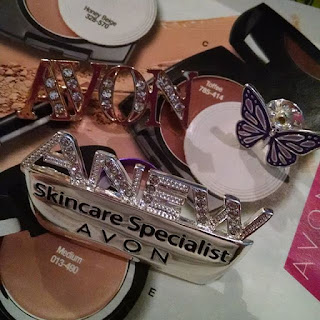
My AVON pins!

Consistency

Visual storytelling has to communicate consistently. Visual content has to cut through the noise on social media, and to do so successfully and sustainably, you need to make sure your visual content strategy has a consistent look and feel. People need to be able to recognize you, your brand and your story.

This can be accomplished through a variety of tools, such as visual styleguides and templates. Styleguides lead you with a consistent image look, what color schemes to use, what fonts you should stick to, and how you portray your brand image. Batching can be done whenever you create content, and kills two birds with one stone: 1. Batching makes sure your visuals are all customized for the social media channel they are being shared through, and 2. Batching makes sure that you are following your visual styleguide and keeping the look and feel recognizable and consistent. Developing a visual content library where reusable content and visual elements are stored can make it much easier for you. Photos, videos, infographics, fonts, textures, logos, and anything else you use regularly in your visual imagery can be stored and easily pulled for use at any time.
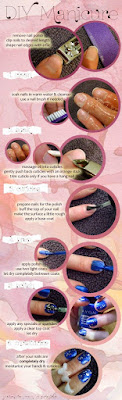

Infographic using styleguide

Storytelling

Perhaps it should be storyshowing, not storytelling. Narrative writers know that you “show, don’t tell” a story. Painting a proverbial picture is a lot easier with images then with words, but you still need to craft your story carefully.

Single images can tell a story, but a series of images can craft a sustained story that makes people want to return to you for more. Think about cliffhangers… Video is incredibly effective at telling stories, but again that storytelling needs to be thoughtfully crafted.
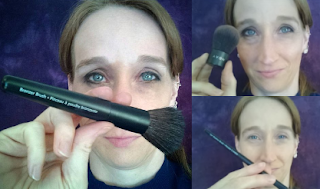
Series of photographs applying makeup with different brushes.


7 Secrets of Visual Narratives:


Storylines
Storytelling clearly requires a beginning, middle and end. Advance to the plot outline of exposition, rising action, climax, falling action and denouement, and you’ve added a rich layer to your visual storytelling. Deliver the story in chunks, spread out over a determined period of time, linked with a common element. Keeping the story real, authentic and personal supercharges the content and really makes it connectable to your customers.

5Ws and 1 H
Who are you? What do you do? Where are your products made? How do you use your products? These are questions that you ask yourself, and then answer using visuals and image-rich media. Especially productive images result from questions that your target market asks. Solicit questions from your customers (that will get them engaged, too!) and then answer those questions creatively using visuals. This next level Q&A will create interest when delivered through visual storytelling methods.

Verbs and Action
Brainstorm a list of actions – verbs – that you want to see your customers doing with your products. I sell makeup, so I would make a list that includes putting on lipstick, painting nails, using lotion. Then work on your visuals to translate those verbs. Take photographs of someone applying nail polish, with your product front and center. Make the customer the main character in the story. Make your visuals something that customers can visualize themselves actively doing. Model those actions using your visuals; give customers that visual goal and allow them the opportunity to see themselves using your products.

Dialogue that Engages
Use visuals that create interaction, solicit comments, encourage action, play games, or ask people to do something. Anything that creates interaction can be engaging. For added depth, personalize that engagement. For example, to encourage customers to interact, create a visual of a fashion look from the 1980s. Then add a layer of text that asks, “Tell us what you wore in the 80s!” Even better, crowdsource your images by soliciting people to create and share their own images to a prompt. Engaging images get people interacting, and that subsequently leads to conversion. Building and maintaining communities will help sustain that engagement.

Sensory Imagery
Sensory imagery is the use of visuals that invoke the senses of taste, smell, sight, sound and touch. For every visual goal you are working to meet, create a list of descriptive words – adjectives – that can be creatively translated into imagery. The sensory images should help reach the customer in more ways than one: looking at a visual, yes. But also smelling or tasting the food in the photograph, or feeling the smoothness of the body lotion. Perhaps hearing a sound in a video pulls up a memory. The senses can be tapped into to generate powerful emotions, and emotional responses can lead to conversion.

Figurative Meaning
When telling a story, the use of figurative language draws you in, and makes the story richer and more intriguing. Using figurative language within visual storytelling can enhance the story and make for a more memorable message. Examples of figurative meaning within visual storytelling include: hyperbole (exaggeration, sometimes intended to create comedic value), personification (giving an object the characteristics of a person), metonymy (focusing on one small part in order to convey a whole), anaphora (repetition of something for emphasis, often creating interest by changing one small thing in each iteration)

Themes
Thematically linked visuals can be extraordinarily effective. Connect a series of storytelling images with a similar color scheme, with a consistent object or person being portrayed, or showcase the lifecycle of a particular product. Themes in storytelling are tied to human challenges. Thematic imagery can represent adventure, overcoming obstacles, celebrating, travel, life events, exploring something new, finding security or safety, or making connections with others.


Above all else, remember that storytelling is an art. There is no methodology or calculating formula you can follow. The creation of imagery requires skill, but it also needs a dash of creativity. Art comes from within, from our heart and souls, and visual storytelling masterpieces within the social media frame are no different.

What are your next steps? Write a story. Write your personal story, your brand story, your product story. Start brainstorming ideas on how to visually tell your story. Then create a list of photographs to take, infographics to make, and videos to shoot. Create those visuals, schedule them into your social media editorial calendar, and visually share your stories!

Tuesday, April 26, 2016

Tuesday Tip! Flat Lay Photos for Instagram

Each time you create a piece of content and push it out to social media that content needs to "fit" the social media channel it is on. You cannot just replicate content and use the same imagery for Facebook, Twitter, Instagram, etc.

One type of imagery that works extremely well on Instagram is called the flat lay. Flat lay photography is the idea of placing objects flat on a surface (like a table or the floor), and then taking a photograph of your objects from above, as a bird's eye view.

For an attractive, quality flat lay:


focus object - Choose a focal object that you want to showcase. This could be a product if you are doing the flat lay to help promote a product or a blog post about a product.

complimentary objects - Choose other objects to compliment and place with the focus object. Many bloggers and photographers use similar products, accessories, flowers, cute objects, tchotchkes or trinkets.

simple background - Let the objects be the focus by avoiding busy backgrounds. Keep the background simple, bright and allow the objects to pop. A white background is ideal, but if you want to mix it up, keep the background texture simple and the colors light. (I like to use light colored, simply designed scrapbook paper.)

good lighting - Anytime you take photographs, lighting is key. Your ideal light is natural (filtered and not too bright) sunlight. Using lighting fixtures can get you the light you need, too. Play around with lighting to try to get your arrangement well lit without shadows. Avoid using the flash on your camera or your phone.

thoughtful arrangement - The composition may be the most challenging part of flat lay photography. Setting up the arrangement can be time consuming and nerve wracking. Take photos every time you change the position, because you may end up liking a composition and can't recreate it again. To get things to stick in place, use poster putty. Take advantage of the principles of good composition: position, orientation, balance and harmony. A thoughtful arrangement should look appealing and artistic to you. If it seems too cluttered, boring or unbalanced, it probably is. Rearrange!

common theme - Build thematic arrangements. Pick a color scheme (such as all blue, or blue and yellow), choose similar shapes (all round shapes, for example), or use all the same object type (like all lipsticks). For pop, make your focus object "off theme" but complimentary in another way. For example, have the focus object be black and all of your complimentary objects white.


Inspiration! Google Image Search for Flat Lay Photographs

Sunday, April 24, 2016

Seeking: Blog Writers, Lifestyle Photographers, Product Testers, Influencers

Business has changed. Social media has been accelerating at breakneck speed, and it is literally everywhere now. Businesses have been using content marketing through social media networks, and over the past few years, social has risen to become THE primary marketing tool for companies that sell consumer products over the internet. Facebook, Twitter, Instagram, YouTube, Pinterest, and others, are all tools to promote and communicate socially. And this format of marketing is not going anywhere.

This is a HUGE opportunity. Many companies have a very specific marketing plan for television, print and radio. However, companies are struggling to move into the social space because it is such a different way to market.

Companies that sell through direct representatives have an opportunity to really excel in the social media space. Why? Because social media is about two things: individuals and relationships. Social works best when it is individual people connecting through relationships within the social media space. This is ideal for direct sales because the individual representatives can really showcase themselves and the companies products in conjunction.

The true opportunity comes because more content is needed. Content creation is still an enormous opportunity, and the more content that can be created around a product or a company, the more that company will excel within the social media space.

What does social media content look like? It looks personal, it looks unique and it looks valuable. It is authentic. And it looks different for every single platform, which is part of why more of it is needed. Facebook content looks different from Tweets, which look different from Instagram, which is definitely different from video social like Vine and YouTube. The mood is also something to consider. Is the content funny, inspirational, informative, promotional, educational? New, fresh, authentic, valuable content is very needed.
Content forms can include:
  • blogs
  • photography (all types, but flat lay photos, especially in Instagram, are on trend in social)
  • tweets and retweets
  • Pinterest images and infographics
  • product reviews
  • videos (short, highly engaging videos are really starting to define social media this year)
  • interactive, such as quizzes, games, tools, and apps (a true need: there are nearly none for beauty, but people are clamoring for them!)

Would you like to blog?


Do you want to write informative blog posts about people, products and your love of beauty? Like to share everything that's going on? new products, news, promotions, and sales? As a blog writer, the name of the game is share, and often. Blogs should have editorial schedules: write about new products on Sundays, write about the upcoming week's promotions on Fridays, and so on.


Blogs should be an engaging blend of text and images. The content should be useful to the reader... people should be able to get something valuable from the blog post. If you like the idea of researching expert information, writing quality, fresh content, consistently, then start writing blogs!

Qualifications:

  • Grammar and writing skills
  • Able to create original and engaging blog content
  • Passionate about sharing your love of beauty


Want to learn more about being the best blogger?

Are you creative with a camera?


When you are out, are you the type of person to pull out your smartphone and start shooting pictures? Do you love taking selfies, or photos of your makeup hauls? As a photographer, you really have a lot of fun, creative things you can do and then share on social media channels like Instagram.


Photographs about beauty come in a variety of formats: lifestyle photographs of people, well lit professional style photographs, even flat lay product photographs. (Which are really hot on Instagram right now, by the way). If you love the idea of using your smartphone, digital camera or even high end SLR camera to take gorgeous photographs, then start shooting!


Qualifications:

  • Creative photography skills
  • Enjoy shooting photographs of people 
  • Able to setup a creative scene


Looking for some great lifestyle photography tips?

Do you love trying new beauty products?


Do you pick up the newest lipstick, eyeshadow palette or beauty gadget (BeautyBlender anyone?) just to see how it works? Would you love to try new fragrances or fit new clothing styles? As a product tester, you try out new products for quality, look, feel, and other consumer focused characteristics.


Product testers are usually the first to buy something that has just been released to market. Often, the new products are part of a product review - sometimes done using video and shared out to YouTube.

Qualifications:

  • Connected with beauty news, new products and trends
  • Like reading or watching new product reviews
  • Love to try out new products when they are released


Check out some pretty intense tips for top product review writing.

Are you an influencer?


Image makers are at the top of their industry. They are the people that influence what others do, and they are very much trendsetters. Becoming an influencer takes expertise and patience in order to build a loyal and trusting following.


Influencers have the ability to create action, and are often the go to resource in their industry. To be a beauty influencer, you have to focus on developing ultra high quality content, network and build a strong presence over time. It can be done!

Top tips for becoming a social media influencer.

Qualifications:

  • Want to be a leader in beauty
  • Reliable image maker and able to share expert news with many people
  • Connect with people... daily


If this business lifestyle sounds great to you, you can do it. Right now. Build your very own business online, write blogs, take photos, test new products and influence others through social! You have the power to create this rockstar social media presence, and you can do it in conjunction with a wonderful company that offers amazing beauty products.


Sunday, April 3, 2016

Check Your Social Media Hustle: Would you follow you?

Social media is THE channel where most direct sales representatives should be putting their marketing efforts. Consider your local advertising, purchase the promotional items that make you happy, but social media and the reach of an enormous audience is where you will find your sales success.

Plus, it's mostly free.

BUT (there's always that but)... you really, truly, absolutely need to hustle it. The Social Media Hustle is very real. You can't just BE on social media, you have to live and breathe social media. You have to work social media. And you have to make social media consumers want to engage with you.

Previous resources I have shared about social media content:


Putting this social media train into practice requires planning, scheduling and implementing.

PLAN


Create valuable content. Consumers of social media content do not want to keep seeing the same content; they are looking for the newest, freshest, most interesting content. Make sure you know your products very well, you know the needs of the consumers that use your products, and that you actively seek the newest information within your product niche. What does that mean? Consider what products you sell: you should know the benefits of your products, and be able to speak to those benefits easily. You should also know about similar products in the industry, and what is currently awesome. Remember, would you follow you?

Example: If I sell lipstick, I'm going to know my lipsticks inside out and upside down. I'm also going to know about other lipsticks: what is available, what colors were just released, benefits of other brands, where you can purchase those lipsticks and how much they cost. Why do I need to know? Because my customers know. And I need to have the same information my customers have, or more.

Create content in many different forms:

  • Photographs (Flat Lay, Behind the Scenes, Organic/Natural/Not Posed, etc.)
  • Videos
  • Infographics
  • Blog Posts
  • Tweets
  • Quotes
  • Conversations about products
  • Links to industry news, research and events
  • Sharing similar content created by others (Retweets)

Adapt your content to fit each social media channel; you will not want to share identical content on all channels every time. This takes some work, but you have very different audiences on each social media channel, and they expect to see the type of content that is suited for that channel.


SCHEDULE


You need an editorial calendar. Every single week, share the same type of content on specific days, make it consistent and stick to it. Every. Single. Week.

Skincare Sunday, Makeup Monday, Throwback Thursday. You've seen these, right? Get on this hashtag content train. Tag your original content and visually appealing images with known hashtags for more exposure, but do it carefully, thoughtfully and on a consistent editorial schedule.

Followers want to see a reliable amount of quality content, but they do not want to be inundated with too much invaluable content. There's a sweet spot, and this chart actually provides soem posting guidelines about how frequently to post for each channel. When scheduling your content, ask yourself, would you follow you?

Channel Minimum Maximum
Facebook 3x per week 10x per week
Twitter 5x per day none
Pinterest 5x per day 10x per day
Instagram 3x per week 10x per week
Google+ 5x per week 10x per week
LinkedIn 2x per week 5x per week
YouTube 1x per week 5x per week

IMPLEMENT


Push content our to social media channels. Push current content first, and make it a focus. But don't be afraid to push related content, similar products, and older content that you want to reintroduce into the feed.

Connect with other people to form relationships, grow your network and hopefully, reach your sales goals through volume. Follow for follow, like for like. Comment, interact, engage with other people, and you will begin to see the same engagement with you.

Action, Action, We Want Action. A-C-T-I-O-N! Use a Call To Action (CTA). In every content post, have a call to action. Join. Click. Shop. Save. Login. Follow. Find out more. Subscribe. Download. Email. Snag this. Get it now. You get the idea: Use an action verb that drives visitor traffic to engage with you. If you were a social media consumer, would you engage with your own call to action? Would you follow you?

Visit my beYOUtiful business blog to read more articles about social media and direct sales!

Sunday, March 27, 2016

Starting Your Own BeYOUtiful Business

Starting your own beyoutiful business is incredibly empowering. There are many reasons why you would want to start a direct sales business: flexible hours, working from home, supplementing your household income. And there are just as many reasons why you would want to grow a beauty business: beauty blogging, skin care specialist training, creating relationships. We all have a WHY.


1. Sign up


To start a direct sales business, like AVON, you will need to commit to becoming a representative. AVON has one of the lowest start up costs, only $15 for a starter kit. However, that $15 investment gives a huge return.

It's easy to sign up. Go to cheriefrid.avonrepresentative.com/opportunity/start and step through the easy sign up process. Your starter kit will be sent in the mail and contains 2 full size products, skin care and fragrance samples, Brochures, What's New, and a workbook to get you started.

I will be available to support you in any way. You also have a district and a regional division where you can always go with questions.

2. Login


After you sign up to be a representative, you will have immediate access to the Your Avon portal. You can login and get started right away!

Within your representative portal, you can plan your orders, view your account, access your web office to create your estore, manage customers, view order activity, market through the social media center & more.

The New Representative Center is the first place you will want to go for a step by step guide to setup your business. Once you start selling, place your orders through Your Avon, including products your customers have ordered, demos from the What's New, product samples, brochures and sales tools. To login, sign up!

3. Learn


There are three key areas of training that you should pursue: AVON products, AVON processes and business skills.

To learn about Avon processes, you have full access to AVON University as soon as you sign up as a representative. You will also have direct support from me, and there are many rep groups online that you are allowed to join as an AVON representative.

AVON University also offers product training, and learning about products is best done through reading about the products in the brochures and by trying products yourself.

I offer business skills training to supplement your learning and build marketable skills for yourself. These skills include communication, time management, problem solving, organization, technology and soft skills. To start learning, sign up!

4. Market


AVON has 26 campaigns a year, which is every two weeks. New and seasonal products are always coming out, and each brochure offers specials and sales. There are 13 mark. magalogs every year, offering current trend beauty products for a younger market. Outlet flyers provide last chance buys for clearance and previous season products. AVON has recently introduced the AVON Living magalogs, which provide a huge selection of home decor items.

Market Face To Face. Your local market is the first place to go as you begin to build sales. Tell everyone how much you love beauty and that you are now selling AVON products! Give brochures to people you know and meet, carry products and samples with you, and grow your business in person.

Market Online. Create and use social media accounts to share your love of beauty. By selling online, you are not limited to your local driving radius - you can grow your business by contacting customers all over the United States! Share from the social media center, send emails, and every order customers place on your estore gives you earnings, but payments are processed, and the products are packaged and shipped directly from AVON.

This marketing piece is where your business grows. Selling face to face and/or online is where representatives focus their efforts, and there are many opportunities and directions you can take. Finding your marketing groove is one of the most rewarding aspects to building your beYOUtiful business. There is excitement every time you gather orders from your customers, as you look through the exciting What's New demo books, each time you see an order come in "Direct Delivery", when you share content on social media and it gets a like. For every customer relationship you create, your business grows. To begin marketing your beYOUtiful business, sign up!

Marketing is part of my WHY. I love marketing, I have a Master's degree in marketing, and I want to share this marketing expertise with you, too. Another part of my WHY is empowerment. AVON has two strands of non profit causes: breast cancer and domestic violence. As a survivor of domestic violence, I want to empower women who need a boost, who need a helping hand, who need other women to say that life gets better. Through beautyforapurpose.com and avonfoundation.com, AVON is committed to empowering women beyond helping build financial independence.


what's YOUR WHY?


Sunday, March 6, 2016

Market A Lifestyle Through Realistic Photography

Do you sell a product? Do you market the product? Content should not be focusing on product, it should be focusing on how customers USE the product. Content should solve problems. Customers should be able to see themselves in their life, using the product without thinking about it.

Lifestyle Marketing


In content marketing, visual images are crucial. In the crowded, noisy social media space, there is so much information and so many images that messages easily get lost. Highly engaging visuals can be the one tool to capture attention and increase engagement. Lifestyle marketing is about visualizing life being better through the use of a product. A long, relaxing drive through the mountains is a much better experience in a sporty convertible than in a clunky pickup truck, don’t you agree? The products we choose to purchase are often directly connected to how we see our lives improving as a direct result. Even things like toilet paper.

Visual Content: Keeping It Real


To better help customers visualize that improved lifestyle, engage them with visually stimulating content, showing the benefits of using a product, or the result of using a product. A few caveats, though: Caveat 1, This strategy doesn’t seem to work on Pinterest, as Pinterest users want to curate products and ideas and not photographs of people, and Caveat 2, Photographs need to be authentic, not staged. This authenticity holds especially true for millenials, who are not easily persuaded by flashy, glossy, “fake” photos. The rise in popularity of channels like Instagram and Snapchat are due to the authenticity of real people sharing real images of real experiences. Keeping it real is actually important!

Homes. Consider how realtors sell homes. The old school approach is to showcase the exterior and interior home in “staged” photographs. (They even call it staging.) Then the listing has a bunch of statistics, like facts about the neighborhood, schools, etc. There is a shift to real estate marketing that uses photographs of people within the home setting, enjoying their life. The listing now includes a narrative about what life is like in that area, and the focus is on storytelling, or trying to persuade the home buyer based on visualizing what their lifestyle will be once they move in.

Food. Food brands used to showcase their food product with highly stylized, close up photographs of the product or the food after it has been painstakingly styled (and no longer actually edible). Now, food brands are using photographs of people eating, enjoying their meals and their lives. Social media is awash with people taking photos of their food while out dining, or even (yuck!) the empty plate after they have finished. Note hashtag #foodporn.

Beauty. In the world of beauty, there has been a huge backlash against photoshopped models. Consumers want real. They want to see what that beautiful model really looks like. The idea of an ideal is fading, especially for the critical millenial market. Realistic body images are all the rage, and even traditional toys like Barbie are jumping on the bandwagon and recently launched their line of Fashionistas who resemble *gasp* REAL PEOPLE, with 4 body types, 7 skin tones, 22 eye colors, and 24 hairstyles! #TheDollEvolves I am excited that we are moving toward acceptance of diversity! That means WE are evolving. It is clear that the idea of unrealistic body images is no longer valued, and beauty magazines, models and beauty products are working to transition to more realistic marketing by cutting out the Photoshop, airbrush and retouch techniques they’ve used in the past.

A Photographic Paradigm Shift


Lifestyle content marketing is the idea of moving from product to people. It is about making human connections, and storytelling through visual and textual narratives. That shift requires a change in the visuals being used to tell product stories.

This shift takes moving from perfectly staged photography to a more photojournalistic style of photography. It’s the artistic perspective of capturing real life, photographing life as it happens, sharing moments. The millenials (again, with the millenials) have already keyed in to this. They organically, naturally want realistic photos of their life. This photojournalistic narrative makes connections with people culturally. I feel there is a revival in personal photojournalism, fueled by the rise in social media, where individuals narrate their own lifestyles and share that with the world online. Digital photography, smart phones and other technologies are impacting this as well. There is even a movement called “iphoneography”, though I personally still prefer my chunky digital SLR any day.

If you are a content marketer, selling a product and you have recognized that you need to develop your lifestyle content to engage more customers: get creative. Pull out your camera, or your smartphone and start creating content. Take photographs everywhere, of everything, of people, of communities, of lifestyles. (Make sure you ask people for permission to take their photo, and their contact information in case you want to use that photo for promotional purposes.) Take photographs of products, too. No worries if you don’t use them in your content marketing strategy. They are there for you to use, if needed. Be creative in your photography. Try to get the best lighting, but don’t worry about staging or perfection. Strive for realistic depictions of life. Try to use common photographic principles to go for the pretty factor: rule of thirds, composition, backgrounds, viewpoint, depth, framing, cropping, etc.  Be creative about your narrative. Use the visuals to tell a story, but be sure to back it up with a textual narrative.

I am starting to feel like a cheerleader. 
Be Creative, Be Be Creative! C-R-E-A-T-I-V-E
"Washington Redskins Cheerleader" by Keith Allison

People want to make human connections. That connection begins with visual imagery that engages, and that relationship continues through interaction. We adore cheerleaders because they have enthusiasm, positivity and giant smiles. They encourage us to participate and build our own enthusiasm. And, I cringe to say this, they are visually appealing. The truth is, though, human nature is to seek pretty, to seek interaction, and to seek good feelings. It is these driving motivators that encourages marketers and advertisers to leverage attractive, realistic, narrative based content.

Start to use realistic photography in content marketing. Consumers can better connect with engaging, visually appealing, realistic lifestyle photos.

Sunday, February 28, 2016

Selling With Social Media: Creating and Pushing Content

I've already started to talk about social media, here: Social Media Network Marketing, Simplified What we want to get out of social media, as direct sellers, are network connections that will help us grow our business, and customers who are interested in our products. Those network relationships should be long term, or at least longer than a single sale. Obviously, social media connections will come and go, but you want to focus on developing long term relationships, trust and credibility on social media.

Of the four key social media networking marketing activities, this blog will focus on the first: creating and sharing content. In my first social media blog post, I mention spending 10+ hours a week creating content, and that you begin to see engagement after about 6 hours a week of work. Spend as much time as you can creating original, quality content.

Since this is a two step process (1. Creating Content, 2. Pushing Content) you will see details on how to accomplish both parts of the process. In addition, you will find a summary of the top marketing Social Media Channels, the best time of day to share and the frequency of sharing.


Creating Content


The quickest, cheapest and easiest path to creating content is to create a blog. A blog will keep all of your content in one place, it is technologically one of the least challenging, and it offers one of the highest values. Another benefit of a blog is that you begin to build your personal brand. (See my blog post about personal branding, here: Personal Branding Yourself For Direct Sales)

Here is the challenge with creating content, such as a blog. You need a few content creation tools.

Social Media Accounts. Yes, you share your content on social media accounts, but you also acquire content from those same accounts. Spend some time setting up social media accounts, and begin following people. (I am currently on Facebook, Twitter, Instagram, Pinterest, LinkedIn and YouTube.) It is highly recommended that you use your own name for all of your social media accounts, in order to develop a strong personal brand. Follow the people you are interested in. If you want to focus on nails, follow ALL the nail artists and nail art people you are inspired by. See what they are talking about, read their blogs, view their images, and see who they follow. As you begin to follow people, you will begin to experience follow for follows. Be careful about this: if you spend too much time following, and not start to provide content for your followers, they will begin to fall off over time. As you develop followers, make sure you begin to give them content, too.

A Spiral Notebook. I am a professional writer. Yet, I surprisingly do not always go straight to my laptop to write - I pull out my old school spiral notebook. Physically writing does a few things for your brain that computers are not able to do. (There is a while bunch of brain science research on this.) With your spiral notebook, begin to collect ideas. Write down things you want to blog about, things you want to research, and ideas you have for content. If we are still talking nails, maybe your list would look like this: tools used to create nail art, my favorite spring nail artists, how to make suchandsuch nail art step by step. Start with your passion, and you will quickly have a list of things to write about! I also use my spiral notebook to outline or draft my content, but not everyone likes to do it that way.

Technology. The tools I recommend are: a computer/laptop with a full size keyboard and mouse (makes the content management process much easier if you have access to this tool), a smartphone, a Google account. That's it! I use my Google account for email, Google docs, sheets and slides, and Blogger (though some people prefer WordPress).

Images. Finding images can be tough, but people are visual and images are a necessity. Be careful about using other people's images, as there are copyright issues. I have had the most success with either taking photographs myself (of products, of myself, of things I like) or creating images by layering text on top of backgrounds. Images up the ante on your content - it attracts people to your textual content with visual enticement. Images help people to connect to your content, and if there is a product involved, seeing the actual product encourages people to purchase.


Pushing Content


PUSH your content. Once you have created your content, you need to get that content in front of people. Share the link to your blogs on your Facebook, Twitter, Instagram, everywhere you have social media accounts.

"Sharing quality content across your social channels is one of the most important things you can do to engage your audience and attract new followers." 
Source: http://sproutsocial.com/insights/social-media-editorial-calendar/

Editorial Schedule. The biggest tool you should be using is something called an "Editorial Schedule". What content will you be posting on Monday, Tuesday, Wednesday, Thursday, Friday, Saturday, Sunday? An editorial schedule will include your blog posts, and it will also include all of the content *around* your blog post. Share key products related to that post, industry news, inspirational images, trends, summaries from other people's blogs, headlines from related magazines, images you curate, Pins that are in the same category. Try to share the minimum recommended below for each channel. (It's not easy, I know BUT the closer you are to that goal, the closer you are to building your social media presence to where you want it.)

I use a tool called Hootsuite to schedule my content shares throughout the week. I know other people prefer to use Buffer.

One more time, for people in the back: THE MORE ORIGINAL, QUALITY CONTENT YOU CREATE AND PUSH, THE MORE ENGAGEMENT YOU WILL SEE.

Social Media Channels


Channel Content Times Minimum Maximum
Facebook I like this new makeup. between 1pm and 3pm 3x per week 10x per week
Twitter I'm wearing #makeup noon, 5pm-6pm 5x per day none
Pinterest Here's an infographic of makeup. 2pm-4pm and 8pm-11pm 5x per day 10x per day
Instagram Here's a filtered photo of me wearing makeup. 1pm-4pm 3x per week 10x per week
Google+ I can't find any makeup here. 9am-11am 5x per week 10x per week
LinkedIn My skills include wearing makeup. 7am-9am and 5pm-6pm 2x per week 5x per week
YouTube Here I am showing how to apply makeup. 2pm-4pm 1x per week 5x per week
(Content ideas modified from The Cyber Advocate's "donut" example.)


How do I know it's working? Measuring your social media efforts can be done in a few ways. Many social media channels, blog tools, offer some kind of analytics that show you how many people have viewed that content. When you shorten your links back to your estore, use bitly, which will also track how many times people click on that link. To measure your personal brand and social media health, use a tool called Klout, which gives you  a score based on your social media presence strength. Finally, the key indicator whether your social media content is working is customer engagement: are people communicating with you? are there sales happening on your estore? If you are not seeing that, focus on creating and sharing MORE content. I read somewhere that you will not start to see customers until you have at least 1,000 blog posts! It will take time. Be patient.

Sunday, January 31, 2016

Personal Branding Yourself For Direct Sales

Personal branding is the idea the YOU are the brand. Brand You. You are not just a direct sales consultant, you are a... makeup expert, jewelry lover, home decor fanatic. Focus on your passion. For example, choose one category from the Avon product offerings (makeup, jewelry, Avon Living home goods) and focus on creating a presence around that category niche. Your passion for that focus will show, and it will become part of who you are as a personal brand.

Use a blog to build your personal brand


If you have a blog or a social media presence, you should spend your efforts promoting, creating content and curating other information about your niche. A blog is one of THE best ways to showcase your personal brand. How does this work? Well, take home decor as an example. Go through the products for home decor. (Avon Living is THE place to go if you love home goods!) Start writing blog posts about those products, about that lifestyle, about home decoration, about entertaining, etc. Pin the products, but Pin MORE than those products. Pin current trends in the home decorating industry. Share home decor ideas through magazines and home decorating websites. Curate home decor photos. Create lists of easy ways to decorate (plugging in a few Avon Living products, of course). You are building your personal brand not by only promoting your Avon Living products, but also by creating a niche expertise and establishing long term trust as a source of valueable information. People WANT to know what the Top 5 Spring Decorating Trends are. They WANT to know how It's Easy To Entertain for Afternoon Tea. (Include the Bright and Cheery Tea Kettle photo and link to your estore). They NEED the super helpful information in your Floral Pillows For a Fast Spring Refresh (Include the Watercolor Fleurs and Bird Pillow Covers photo and link). THIS is the type of information people want, and the more of this you create, the more customers you will see. The more of YOU that you put into it, the more personal it becomes, and therefore more desirable.


Create an image


Let's talk about image a little bit. Brands have logos. Brands are not logos. Your brand should be your beautiful face. And your name. (Not Avon's logo.) You are your brand. If you want to design a "logo" make it your name.


Back to that Avon brand question... selling Avon is what you DO, it is not you. You DO other things, too. (Whatever that might be.. family, dogs, sports, cooking, etc.) So when you brand yourself, you have a title with Avon, you can use the Avon banner on your headshot photo, but you are not the Avon brand, and you can't use the Avon logo for yourself. When you develop your brand presence, you want to share who you are, not only that you sell Avon. People buy from people. It sounds crazy, but instead of saying, "Hi my name is Sarah, and I would like to share the Avon brochure with you." try saying, "Hi my name is Sarah Smith, and I want to help women feel beautiful."

It is important to keep your personal brand consistent. So, if you have a blog, a Facebook page, Twitter, Pinterest... keep those all looking and feeling the same. They should all have your name, your photo as your profile picture, and the same image look and fonts used for images. While you are at it, consider reserving your social media account with your name for all social media tools, even if you don't setup your profiles on those accounts yet. KnowEm? is a super useful tool.

It's official - your brand is you, your presence, and your personality.  (Online and offline). So now what? What exactly are we supposed to do with that?

How to Create Your Personal Brand


Start with the story.
  • Your personal story and your personal values. Master your own story first because when you do, you can more easily empower others.
  • Why you joined Avon and started your own beYOUtiful business. You have to feel confident with your own reasons before you can persuade others. Make it real and engaging.
  • What your "mission" is. Your personal mission. What do you want to accomplish with your beYOUtiful business?
  • The Avon story (make sure to leave this one for last - nail who you are first, then you will be better prepared to share the Avon story.

Begin with engagement.
  • Share your story on social media. Any and every social media you feel comfortable with. However, make sure if you have a social media, you work it. If you never Tweet, shut down your Twitter for now.
  • Talk to everyone about who you are and what you do. In person, online, everywhere!
  • Get your target market to engage; ask them to share what their favorite nail color is, or what they wear for sunscreen.

Develop an image
  • Get a good headshot photo and use that everywhere. If you have a friend that loves to take photographs, enlist their help! Otherwise, work with a local photographer to get yourself a couple of professional looking headshots. Try to update them seasonally, if you can.
  • Pick a visual "look". The color scheme, the images, the personality of your look should be consistent everywhere you have a presence.
  • Choose 2 to 3 colors to always use in the content you create. There is a psychology to color, too...
  • Select 1 or 2 fonts to use consistently, including 1 font to always always use for your name. Avoid frequently used and outdated fonts like Comic Sans, but don't go so fancy that the letters can't be read easily.

Create content
  • Think like a journalist. Create an editorial schedule.
  • Write blog posts. The more the better.
  • Try to create content in a doable quantity, but to gain a following your content also needs to be quality. (Hint, pure promotion is NOT good quality.)
  • Not sure where to start? Set a goal of one blog post per week. If you find you can do more - awesomesauce! Try to avoid doing less (52 blogs a year is not that many). Also, when a post has more than 1,500 words, it gets more social media engagement.
  • Expand your content into ebooks, infographics, videos, etc.

Curate content
  • Think like a museum director. Share relevant, pretty content with frequent rotation.
  • Share content created by other people, and share product information from other companies. I know this sounds counter intuitive, but curating industry knowledge actually creates more credibility for you and customers trust you more.
  • Some marketing speak: "Position Avon as a thought leader." What this means: In your curated content, make Avon an expert, and showcase Avon products as the best choice.

Promote content
  • Think like a marketing executive. Have a plan and a "look".
  • This is where most new reps focus all of their attention. Promotion should be about 1/3 of your total content. Any more than that and your content will be flooded with sales type stuff and people will be turned off.

Dos and Don'ts


What to do
Be real. You are you and nobody else is you. Be authentic. (But not TOO authentic - refer to drama llama)
Be online. Even offline customers will look you up online. make sure your online presence reflects your offline business.
Be valuable. Write a mission statement.


What NOT to do
Be a drama llama. Do not share personal details, like your dog's poop or your recent breakup. Don't ever talk about politics or religion. Customers don't care and it will turn them off forever.
Be everything. You need to create a niche and focus on one thing. If you try to be everything to everyone, you will be spread too thin and you won't be able to focus your efforts.

3 key words to make personal branding amazing:

Sunday, January 17, 2016

What is Direct Selling, Exactly?

Direct selling is the business model where products are developed and tested then distributed to customers through direct channels such as independent sales representatives. There are no "middle men" - no large scale distributors, no retail stores.

Avon Products, Inc. products go directly to the customer, either shipped directly when ordered online, or personally via one of Avon's Independent Sales Representatives.

Sales Channels


Direct sellers make sales face to face or online. Personal face to face  can be made through a representatives existing social networks (friends, family, coworkers, neighbors, groups, businesses) or by prospecting in their geographic area. Online sales can be made through networks online, which expands a representative's prospecting base considerably. Many representatives choose to sell products using both face to face and online channels.

SLM versus MLM


Single level marketing (SLM) direct selling is where a representative buys product from a direct selling company and sells the product directly to customers, gaining a profit on the sale. Multi level marketing (MLM) direct selling is where a representative participates in SLM and also participates in leadership of new representatives, generally with a commission or an incentive.

Avon's 2014 revenue was $8.9 billion.

Why Direct Selling Appeals to Home Entrepreneurs


  • Direct selling is a good choice for:
  • Stay at home moms
  • People with full time employment who want to supplement their income
  • Individuals on disability or are retired and may have limited mobility
  • Retired veterans

Why? Because direct selling has flexibility - you are not confined to specific work hours, driving to a specific location or required to have specific resume skills. It is this flexible alternative to traditional employment options that is probably the most appealing.

In direct selling, there is unlimited opportunity. Direct sales representatives do not have to worry about the product supply chain. In traditional entrepreneurship, the new business has to focus on developing a product or service and identifying the market for that product or service. Product development and manufacturing takes significant time and financial resources. Even a simple at home craft business would have to invest $5000 to $10000 to launch. Direct selling companies typically have a $100 or less investment to launch.

Avon's products include a large, diverse catalog of makeup, skincare, fragrance, bath & body, jewelry, fashion and home, with products for women, men, kids and millenials.

Advantages of Direct Selling


The advantages of a direct selling business model for a sales representative:
  • Create your own work schedule and hours of effort.
  • Ability to enter entrepreneurship with little formal training or education
  • Empowering, especially for women, by creating transferable social and business skills
  • Low start up costs, low risk to maintain, easy to grow, plus profits are tied directly to effort
  • Product catalog available with no development and manufacturing investment

The advantages of a direct selling business model for a customer:
  • Individual human representatives to guide product choices and answer questions
  • Innovative product choices not always available in retail stores
  • Convenience and reliability of service (home delivery by representatives or online shipping)

Freedom of Entrepreneurship


Starting a direct selling business opportunity does not require diplomas, certificates or college degrees. However, direct selling often develops those marketable skills!

  • Communication
  • Time management
  • Organization
  • Innovation and problem solving
  • Customer service
  • Technology literacy
  • Soft skills (creativity, process management, work ethic & social skills)
There are over 18 million people in direct selling. The average cost to start is $100. The risk of loss is incredibly low if you decide to quit. Reasons people are direct selling reps - long term supplemental income, products at a discount, independent entrepreneur flexibility. (DSA 2015 Growth and Outlook survey and 2014 National Salesforce Study).

Join In with your own beYOUtiful business!

Thursday, November 5, 2015

Create and Share Content on Social Media

create content

 I try to create high value content and product content. This is an example of product content.

I made a video using Animoto. I used text and product images of boots to create a short product promotional video about relevant trends.

This is just ONE example of content: a short YouTube video. I try to create at least ONE piece of content every day. It doesn't always happen.

SHARE CONTENT

Then I shared the video to YouTube. From my Animoto phone app, I also downloaded the video and then shared a snippet to Instagram. I pinned all of the products in the video to one of my Pinterest boards. From YouTube, I tweeted the video to my Twitter, adding some hashtags. From YouTube, I shared the video to my Facebook page.

The idea is to maintain a consistent brand image across all social media accounts.

I would use the same share process for a blog post, infographic or any other valuable content created.

creating and sharing content frequently is the number one strategy to increase sales online.

TIPS
  • Make sure all paths lead back to your estore
  • Frequency is really frequent, like way more frequent than you think
    • Facebook 1/day
    • Twitter 5/day
    • Linked In 2/week
    • Pinterest 5/day
    • Google + 5/week
    • Instagram 1/day
    • Blogs 4/week
    • Youtube 1/week
  • Content should be a mix of product promotion, valuable information and curating content found on the internet
    • 1/3 create your own
    • 1/3 share product
    • 1/3 curate other content

Friday, May 1, 2015

Social Media Network Marketing, Simplified

What is Social Media Network Marketing?


Social Media Network Marketing is a type of marketing that leverages social media tools, like Facebook, Pinterest and Instagram, to build network connections for the purpose of selling product or recruiting individuals to a direct sales company.

Top Social Media Network Marketing activities:
  • Creating and sharing content
  • Listening to social media buzz
  • Building networks through comments, Likes, Follows, Tweets, etc.
  • Finding more leads online

AVON ISRs are in somewhat new territory. We want to navigate the social media waters, identify the best tools, engage prospects and drive customers to buy at our youravon page or sign up to sell at our startavon page, and we want to be able to measure how all of that is working.


Tool Description Effectiveness Ease of Use
Facebook connecting and sharing - hard to tell
- FB logarithm changes have reduced views
- pages do have stats
Takes Some Effort
Blogs writing and sharing content - has to be good, relevant, interesting content
- best when it's mobile optimized
Takes A Lot Of Effort
Twitter short "tweets",
micro blog
- can quickly become viral via retweets and hashtags
- offers engagement
Easy Peasy
Linked In professional networking -good for building connections Takes Some Effort
Google + networking
(actually most ppl aren't really sure?)
- Google is making some changes Takes A Lot Of Effort
Pinterest "Pin" to organize and share visuals - Very engaging
- Repins and links drive traffic well
Easy Peasy
Instagram Visuals sharing - Engaging
- Can drive traffic well
Easy Peasy
YouTube Video sharing - Versatile
- Edutainment videos work best
- Call to action helps drive traffic
Takes A Lot Of Effort
Tumblr Micro blog, sharing - Engaging
- Can drive traffic
Easy Peasy
Others, like Vine, Snapchat video sharing, visual messaging, etc. - Varies Varies


With any of these social media tools, one significant factor is CONSISTENCY. Whatever you create and share, do so consistently, on a schedule, with as high a frequency as you can manage. Fresh, interesting, engaging content is so important.

Four Key Social Media Network Marketing Activities:


Spend time creating and sharing CONTENT

Spend most of your time creating high quality content. You should be spending at least 10 + hours a week creating content, though increased traffic and lead generation usually starts at around 6 hours a week.

Write quality blogs, and push blogs out to social media sites, such as Facebook, Pinterest, Instagram and Twitter. Always provide links back to youravon estore! This is incredibly important; prospects can't engage and become customers if they don't have the path to your estore.

Content should be written, but you can enhance and elaborate through visuals and videos.

Share product and opportunity directly from your estore, and leverage the sharing tools available through the Social Media Center!


LISTEN to people on social media 

Listen to the buzz. Don't comment until you have really listened! Listen to what online prospects are saying. Listen to their concerns, their comments, their complaints. THEN, carefully craft responses that fill their needs.

Listen to individuals through comments and messaging. Respond with professional solutions, but don't push product. Help solve their problems!


Build RELATIONSHIPS

Make friends, not enemies. Try not to be overly aggressive... people want to buy from a person not just someone who can post about their products. People want to know that you have the knowledge they are seeking.

Make online customers a priority, just like you would if you were helping them face to face. Treat online prospects and sales exactly like personal sales.

Be professional, and always communicate like everyone you meet online is a customer. If you wouldn't say something to a customer while standing on their porch, never say it online! Never be rude, and always respect everyone. Avoid commenting about religion, politics, controversy and never use any inappropriate content on any publicly viewable social media!


Find more LEADS online 

Drive leads to you by creating quality content. LINK, LINK, LINK directly to your estore or opportunity page.

blogs, infographics and video


Seriously, write a quality blog post, create a valuable video, or pin an infographic you have created EVERY SINGLE DAY!

Online events can rapidly expand your leads. Host a Facebook party!

You can also use tools such as SEO and SIGs to help find more customers online. Search Engine Optimization (SEO) is using keywords within your content to help people find you. (This is not the same as Google Adwords, which is not allowed by Avon). These are keywords that you use as a rich way to enhance your content by placing them within your content and as tags/labels on your blogs. Special Interest Groups (SIGs) are niche sites where people go for specific interests they have. These can be within Facebook groups, Pinterest interests, Twitter hashtags, and niche websites such as Ravelry or CafeMom.


Bonus!


Integrate all social media tools, starting with the quality content and sharing out everywhere! For example, for every blog post you write, share it to Facebook and Twitter. Create a companion board and infographics for Pinterest. Plan videos to post through YouTube. INTEGRATE your Social Media Network Marketing efforts!

Be aware that every social media site has its own policies, and Avon has its own policies. Make sure you read, understand and follow those policies!